13th Edition of International Conference on Neurology and Brain Disorders
October 19-21, 2026

Neurological Research
Neurological research constitutes a vast array of scientific inquiries focused on unraveling the structure, function, development, and disorders of the nervous system. This interdisciplinary field integrates knowledge from neuroscience, molecular biology, genetics, physiology, pharmacology, and psychology to elucidate the intricacies of the brain and its associated structures. Spanning from basic science investigations elucidating fundamental mechanisms of neuronal signaling, synaptic plasticity, and neural circuitry to translational and clinical research aimed at developing diagnostic tools, therapeutic interventions, and preventive strategies for neurological disorders, this research domain is dynamic and multifaceted. Recent breakthroughs in neuroimaging, genetics, stem cell biology, and neurotechnology have revolutionized our understanding of brain function and dysfunction, opening new avenues for diagnosis and treatment. Collaborations between researchers, clinicians, industry partners, and patient advocacy groups are driving innovation and accelerating the translation of scientific discoveries into clinical applications, essential for addressing the intricate challenges posed by neurological disorders and improving patient outcomes. In summary, neurological research is a rapidly evolving field that plays a pivotal role in advancing our understanding of the nervous system and developing effective strategies to prevent, diagnose, and treat neurological disorders. Through the power of scientific inquiry and innovation, neurological research holds the potential to transform healthcare and enhance the lives of millions worldwide.
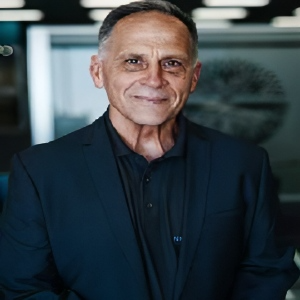
Ken Ware
NeuroPhysics Therapy Institute and Research Centre, Australia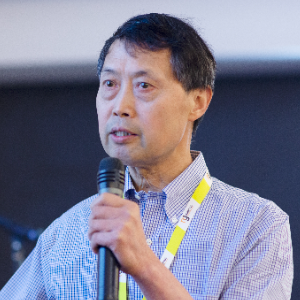
Yong Xiao Wang
Albany Medical College, United States
Joe Sam Robinson
Mercer University, United States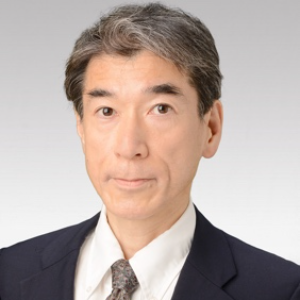
Toru Kondo
Hokkaido University, Japan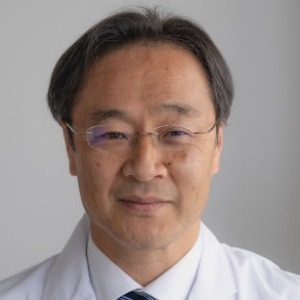
Isao Okunishi
Kinjirushi Co., Ltd, Japan
Thomas J Webster
Brown University, United States
Younok Dumortier Shin
OnusBio, United StatesSubmit your abstract Today


Title : Spring break: A true story of hope and determination
Steven Benvenisti, Davis, Saperstein Salomon, PC, United States
Title : The role of compromised cerebrospinal fluid circulation in sleep apnea
Joe Sam Robinson, Mercer University, United States
Title : ADNP regulates cortical development: Mechanism of ADNP syndrome/autism
Kazuhito Toyooka, Drexel University College of Medicine, United States
Title : Nervous system effects in chemicals with immediately dangerous to life or health values
Sudha P Pandalai, National Institute for Occupational Safety and Health, United States
Title : Clinical outcomes of AI-augmented cognitive rehabilitation in dementia and mild cognitive impairment
Esra Al, NewDays, United States
Title : Atypical presentation of Juvenile myoclonic epilepsy in a 16-year-old female: A case report
George Diaz, Memorial Healthcare Systems, United States