13th Edition of International Conference on Neurology and Brain Disorders
October 19-21, 2026

Brain Tumors and Neuro-Oncology
Brain tumors and neuro-oncology are integral to addressing the complexities of primary and secondary brain cancers. This specialized field encompasses a range of treatment options, from surgery and radiation therapy to cutting-edge drug therapies and clinical trials exploring new drug combinations. Researchers are focused on overcoming the challenges posed by the blood-brain barrier to deliver effective treatments. With the advent of immunotherapy, CAR-T cell therapies, and personalized genetic profiling, the landscape of neuro-oncology is rapidly changing. The development of non-invasive diagnostic tools and predictive models is also helping clinicians better assess tumor behavior and patient prognosis. This research is instrumental in improving long-term outcomes and offering hope to patients affected by malignant brain tumors.

Ken Ware
NeuroPhysics Therapy Institute and Research Centre, Australia
Yong Xiao Wang
Albany Medical College, United States
Joe Sam Robinson
Mercer University, United States
Toru Kondo
Hokkaido University, Japan
Isao Okunishi
Kinjirushi Co., Ltd, Japan
Thomas J Webster
Brown University, United States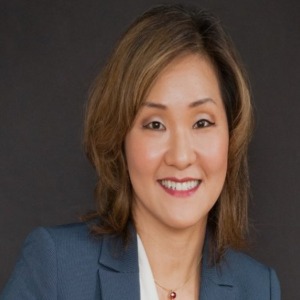
Younok Dumortier Shin
OnusBio, United StatesSubmit your abstract Today


Title : Spring break: A true story of hope and determination
Steven Benvenisti, Davis, Saperstein Salomon, PC, United States
Title : The role of compromised cerebrospinal fluid circulation in sleep apnea
Joe Sam Robinson, Mercer University, United States
Title : ADNP regulates cortical development: Mechanism of ADNP syndrome/autism
Kazuhito Toyooka, Drexel University College of Medicine, United States
Title : Nervous system effects in chemicals with immediately dangerous to life or health values
Sudha P Pandalai, National Institute for Occupational Safety and Health, United States
Title : Clinical outcomes of AI-augmented cognitive rehabilitation in dementia and mild cognitive impairment
Esra Al, NewDays, United States
Title : Atypical presentation of Juvenile myoclonic epilepsy in a 16-year-old female: A case report
George Diaz, Memorial Healthcare Systems, United States