13th Edition of International Conference on Neurology and Brain Disorders
October 19-21, 2026

Translational Neurology
Translational neurology bridges the gap between laboratory research and clinical application, accelerating advancements in neurological care. By transforming fundamental discoveries into practical treatments, this field addresses unmet medical needs in conditions such as Parkinson’s disease, Alzheimer’s, and spinal cord injuries. Translational Neurology emphasizes the importance of preclinical studies in developing targeted therapies, ensuring their efficacy and safety before clinical trials. Emerging technologies like gene editing and stem cell therapy are pivotal in shaping innovative approaches for neurological repair and regeneration. Collaborative efforts between researchers and clinicians foster real-world applications, ultimately enhancing patient outcomes and paving the way for groundbreaking interventions.
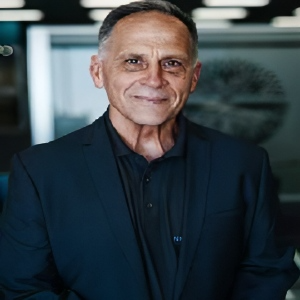
Ken Ware
NeuroPhysics Therapy Institute and Research Centre, Australia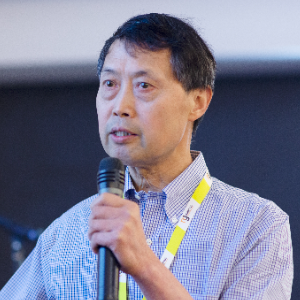
Yong Xiao Wang
Albany Medical College, United States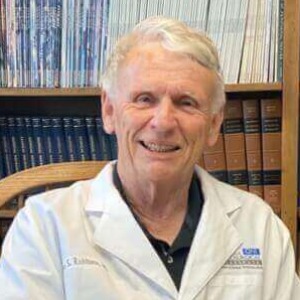
Joe Sam Robinson
Mercer University, United States
Toru Kondo
Hokkaido University, Japan
Isao Okunishi
Kinjirushi Co., Ltd, Japan
Thomas J Webster
Brown University, United States
Younok Dumortier Shin
OnusBio, United StatesSubmit your abstract Today


Title : Spring break: A true story of hope and determination
Steven Benvenisti, Davis, Saperstein Salomon, PC, United States
Title : The role of compromised cerebrospinal fluid circulation in sleep apnea
Joe Sam Robinson, Mercer University, United States
Title : ADNP regulates cortical development: Mechanism of ADNP syndrome/autism
Kazuhito Toyooka, Drexel University College of Medicine, United States
Title : Clinical outcomes of AI-augmented cognitive rehabilitation in dementia and mild cognitive impairment
Esra Al, NewDays, United States
Title : Atypical presentation of Juvenile myoclonic epilepsy in a 16-year-old female: A case report
George Diaz, Memorial Healthcare Systems, United States
Title : Nanoparticles passing the blood brain barrier to treat cancer, infection, and more
Thomas J Webster, Brown University, United States