HYBRID EVENT: Join us in person in Boston, Massachusetts, USA or attend virtually from anywhere.
13th Edition of International Conference on Neurology and Brain Disorders
October 19-21, 2026

Brain Injury and Behavioral Neuroscience
Brain Injury and Behavioral Neuroscience
Brain Injury:
It is the destruction or declension of brain cells. Brain injuries occur due to a large range of internal and external factors. In common, brain injury refers to consequential, undiscriminating trauma-induced destruction, while neurotoxicity typically mentions selective, chemically produced neuron injury.
- Traumatic brain injury (TBI)
- Acquired brain injury
Behavioral Neuroscience:
Behavioral neuroscience, also called as biological psychology, biopsychology, or psychobiology, is the implementation of the principles of biology to the study of physiological, genetic, and developmental mechanisms of behavior in humans and other animals.
- Sensation and perception.
- Motivated behavior (hunger, thirst, sex)
- Control of movement.
- Learning and memory.
- Sleep and biological rhythms.
- Emotion.
Committee Members
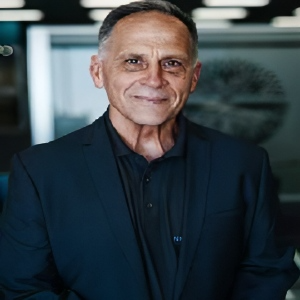
Ken Ware
NeuroPhysics Therapy Institute and Research Centre, Australia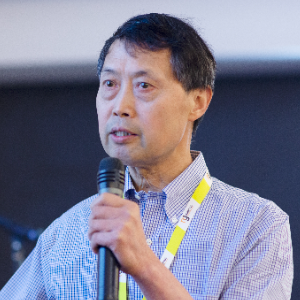
Yong Xiao Wang
Albany Medical College, United States
Joe Sam Robinson
Mercer University, United States INBC 2026 Speakers
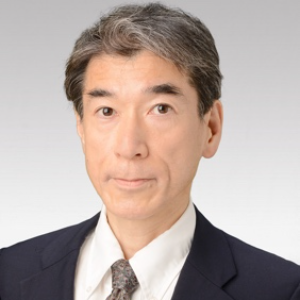
Toru Kondo
Hokkaido University, Japan
Isao Okunishi
Kinjirushi Co., Ltd, Japan
Thomas J Webster
Brown University, United States
Younok Dumortier Shin
OnusBio, United StatesSubmit your abstract Today


Title : Spring break: A true story of hope and determination
Steven Benvenisti, Davis, Saperstein Salomon, PC, United States
Title : The role of compromised cerebrospinal fluid circulation in sleep apnea
Joe Sam Robinson, Mercer University, United States
Title : ADNP regulates cortical development: Mechanism of ADNP syndrome/autism
Kazuhito Toyooka, Drexel University College of Medicine, United States
Title : Nervous system effects in chemicals with immediately dangerous to life or health values
Sudha P Pandalai, National Institute for Occupational Safety and Health, United States
Title : Clinical outcomes of AI-augmented cognitive rehabilitation in dementia and mild cognitive impairment
Esra Al, NewDays, United States
Title : Atypical presentation of Juvenile myoclonic epilepsy in a 16-year-old female: A case report
George Diaz, Memorial Healthcare Systems, United States