13th Edition of International Conference on Neurology and Brain Disorders
October 19-21, 2026

Stroke and Cerebrovascular Diseases
Stroke and cerebrovascular diseases pose significant public health challenges, affecting millions worldwide and placing substantial burdens on healthcare systems. Stemming from disruptions in blood flow to the brain, these conditions lead to cascading events that can result in devastating neurological deficits and, in severe cases, death. Stroke, the most common cerebrovascular event, occurs when blood flow to a part of the brain is obstructed, either by a blood clot (ischemic stroke) or a ruptured blood vessel (hemorrhagic stroke). The consequences of stroke can be profound, ranging from paralysis and speech impairment to cognitive dysfunction and emotional disturbances. Beyond stroke, cerebrovascular diseases encompass conditions like transient ischemic attacks (TIAs), cerebral aneurysms, arteriovenous malformations (AVMs), and carotid artery stenosis. These conditions often share common risk factors such as hypertension, diabetes, smoking, obesity, and sedentary lifestyles. Early diagnosis and intervention are crucial in managing stroke and cerebrovascular diseases to mitigate brain damage and prevent long-term disability. Treatment strategies may include thrombolytic therapy, mechanical thrombectomy, and surgical interventions like carotid endarterectomy or stenting to restore blood flow in narrowed or blocked arteries.
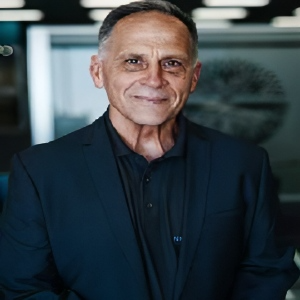
Ken Ware
NeuroPhysics Therapy Institute and Research Centre, Australia
Yong Xiao Wang
Albany Medical College, United States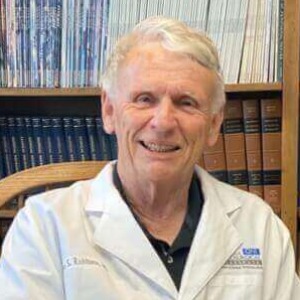
Joe Sam Robinson
Mercer University, United States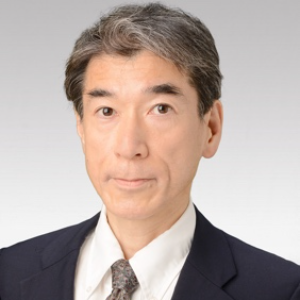
Toru Kondo
Hokkaido University, Japan
Isao Okunishi
Kinjirushi Co., Ltd, Japan
Thomas J Webster
Brown University, United States
Younok Dumortier Shin
OnusBio, United StatesSubmit your abstract Today


Title : Spring break: A true story of hope and determination
Steven Benvenisti, Davis, Saperstein Salomon, PC, United States
Title : The role of compromised cerebrospinal fluid circulation in sleep apnea
Joe Sam Robinson, Mercer University, United States
Title : ADNP regulates cortical development: Mechanism of ADNP syndrome/autism
Kazuhito Toyooka, Drexel University College of Medicine, United States
Title : Clinical outcomes of AI-augmented cognitive rehabilitation in dementia and mild cognitive impairment
Esra Al, NewDays, United States
Title : Atypical presentation of Juvenile myoclonic epilepsy in a 16-year-old female: A case report
George Diaz, Memorial Healthcare Systems, United States
Title : Nanoparticles passing the blood brain barrier to treat cancer, infection, and more
Thomas J Webster, Brown University, United States