13th Edition of International Conference on Neurology and Brain Disorders
October 19-21, 2026

Pluripotent Stem Cells
Pluripotent stem cells are a class of undifferentiated stem cells that are capable of developing into most, if not all, cell types found in the human body. As such, they are the most versatile type of stem cell, and have potential applications in regenerative medicine, organs and tissue engineering, and drug testing. Pluripotent stem cells can be derived from several sources, including embryos, fetal tissues, umbilical cord blood, and adult tissues. Embryonic pluripotent stem cells, derived from embryos in the early stages of development, demonstrate the highest degree of universality and can differentiate into any type of bodily cell or tissue. Adult pluripotent stem cells or iPSCs, on the other hand, are derived from mature tissues such as skin and blood, and are more limited in the number of cell types they can form. In the laboratory, pluripotent stem cells can be cultured in specialized media, where they can undergo a series of steps known as “directed differentiation” to eventually form mature cell types. This has important implications for regenerative medicine, in which these pluripotent cells can be used to generate specialized tissues and organs to repair cells or tissues damaged by disease. Such iPSCs can even be generated from the patient’s own cells, making them much more resistant to immune rejection. In addition to their potential therapeutic applications, pluripotent stem cells can also be used as a powerful tool in drug discovery and toxicology. Pluripotent cells can be used to create “disease in a dish” models, in which cells containing disease-associated gene mutations are exposed to potential drugs. This allows for an initial screening of potential therapeutics for efficacy and safety, reducing the need for costly and lengthy clinical trials. Pluripotent stem cells represent some of the most promising advancements in regenerative medicine and drug discovery, with the potential to revolutionize treatments across a variety of diseases.

Ken Ware
NeuroPhysics Therapy Institute and Research Centre, Australia
Yong Xiao Wang
Albany Medical College, United States
Joe Sam Robinson
Mercer University, United States
Toru Kondo
Hokkaido University, Japan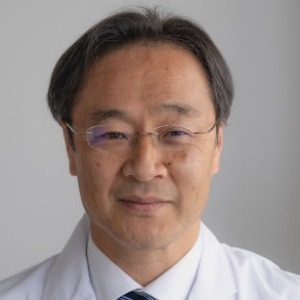
Isao Okunishi
Kinjirushi Co., Ltd, Japan
Thomas J Webster
Brown University, United States
Younok Dumortier Shin
OnusBio, United StatesSubmit your abstract Today


Title : Spring break: A true story of hope and determination
Steven Benvenisti, Davis, Saperstein Salomon, PC, United States
Title : The role of compromised cerebrospinal fluid circulation in sleep apnea
Joe Sam Robinson, Mercer University, United States
Title : ADNP regulates cortical development: Mechanism of ADNP syndrome/autism
Kazuhito Toyooka, Drexel University College of Medicine, United States
Title : Clinical outcomes of AI-augmented cognitive rehabilitation in dementia and mild cognitive impairment
Esra Al, NewDays, United States
Title : Atypical presentation of Juvenile myoclonic epilepsy in a 16-year-old female: A case report
George Diaz, Memorial Healthcare Systems, United States
Title : Nanoparticles passing the blood brain barrier to treat cancer, infection, and more
Thomas J Webster, Brown University, United States