13th Edition of International Conference on Neurology and Brain Disorders
October 19-21, 2026

Pain Management Neurologists
Chronic pain related to neurological conditions can be incredibly challenging to diagnose and treat. Many patients suffer from persistent pain caused by nerve damage, migraines, or diseases like multiple sclerosis, which significantly impact their quality of life. Treatment requires a thorough understanding of the nervous system, detailed diagnostic work, and a multidisciplinary approach. In this context, pain management neurologists play a critical role by specializing in the evaluation and targeted treatment of neurological pain syndromes. They employ advanced diagnostic tools and develop personalized plans that may include medication, nerve blocks, neuromodulation, and physical therapy to alleviate suffering and restore function.
These specialists often collaborate closely with other healthcare providers such as psychologists and rehabilitation therapists to address both the physical and emotional aspects of chronic pain. Innovations in minimally invasive techniques and neurostimulation have greatly expanded treatment possibilities, allowing patients to experience better pain control with fewer side effects. Pain management neurologists also emphasize the importance of ongoing research to discover new therapies and improve existing ones. By focusing on the complex relationship between the nervous system and pain, these experts help patients regain mobility, reduce discomfort, and enhance their overall well-being, making a profound difference in lives affected by neurological pain disorders.
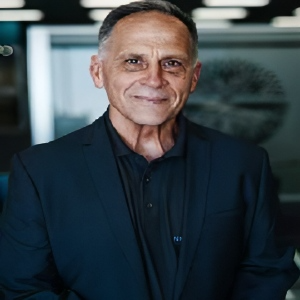
Ken Ware
NeuroPhysics Therapy Institute and Research Centre, Australia
Yong Xiao Wang
Albany Medical College, United States
Joe Sam Robinson
Mercer University, United States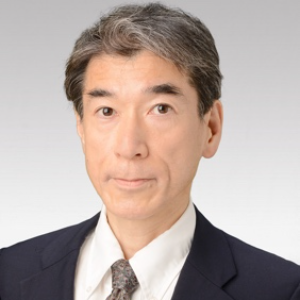
Toru Kondo
Hokkaido University, Japan
Isao Okunishi
Kinjirushi Co., Ltd, Japan
Thomas J Webster
Brown University, United States
Younok Dumortier Shin
OnusBio, United StatesSubmit your abstract Today


Title : Spring break: A true story of hope and determination
Steven Benvenisti, Davis, Saperstein Salomon, PC, United States
Title : The role of compromised cerebrospinal fluid circulation in sleep apnea
Joe Sam Robinson, Mercer University, United States
Title : ADNP regulates cortical development: Mechanism of ADNP syndrome/autism
Kazuhito Toyooka, Drexel University College of Medicine, United States
Title : Clinical outcomes of AI-augmented cognitive rehabilitation in dementia and mild cognitive impairment
Esra Al, NewDays, United States
Title : Atypical presentation of Juvenile myoclonic epilepsy in a 16-year-old female: A case report
George Diaz, Memorial Healthcare Systems, United States
Title : Nanoparticles passing the blood brain barrier to treat cancer, infection, and more
Thomas J Webster, Brown University, United States