13th Edition of International Conference on Neurology and Brain Disorders
October 19-21, 2026

Noncongenitally Lesion
Noncongenital lesions are the lesions that are present in an individual who has not been born with them. This includes tissue damage due to injury, infection, or disease. These lesion can occur almost anywhere on the body and can include scarring, cysts, tumors, inflammations, and changes in tissue caused by radiation or chemotherapy. The main cause of noncongenital lesions is an acquired injury, such as a cut, scrape, or burn. These lesions can occur from trauma, infection, or disease, and make it harder for the body to heal properly. Lesions can also form due to surgery or other medical procedures, especially those related to cancer treatments. Common noncongenital lesions include boils, carbuncles, warts, and moles. Boils are pus-filled lumps that are caused by infected hair follicles or sweat glands, and are typically treated with antibiotics. Carbuncles are similar to boils, but are larger and more painful. Warts are small, hard growths caused by the human papillomavirus, and they can be treated with antiviral or topical chemicals. Moles are usually harmless growths that can appear anywhere on the body and may be treated with over-the-counter medications or freezing. Other noncongenital lesions can be harder to diagnose and treat. These can include cysts, which form under the skin and often need surgical removal, and cutaneous horns, which are growths that look like animal horns. They are typically benign and are often monitored more than treated. Nonmalignant tumors, such as fibromas and lipomas, can also form, and they may need to be monitored or removed. It is important for individuals to check for noncongenital lesions on a regular basis and get them diagnosed by a doctor. Many of these lesions can be treated effectively with antibiotics, topical medications, or even surgical removal. Early diagnosis and treatment can help reduce the chances of further tissue damage or infection.

Ken Ware
NeuroPhysics Therapy Institute and Research Centre, Australia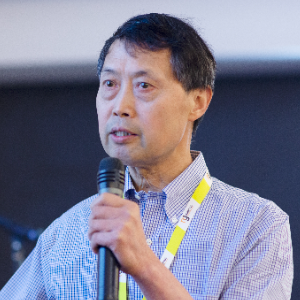
Yong Xiao Wang
Albany Medical College, United States
Joe Sam Robinson
Mercer University, United States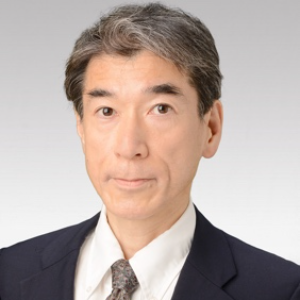
Toru Kondo
Hokkaido University, Japan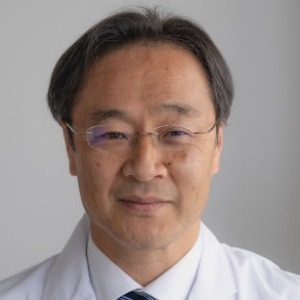
Isao Okunishi
Kinjirushi Co., Ltd, Japan
Thomas J Webster
Brown University, United States
Younok Dumortier Shin
OnusBio, United StatesSubmit your abstract Today


Title : Spring break: A true story of hope and determination
Steven Benvenisti, Davis, Saperstein Salomon, PC, United States
Title : The role of compromised cerebrospinal fluid circulation in sleep apnea
Joe Sam Robinson, Mercer University, United States
Title : ADNP regulates cortical development: Mechanism of ADNP syndrome/autism
Kazuhito Toyooka, Drexel University College of Medicine, United States
Title : Nervous system effects in chemicals with immediately dangerous to life or health values
Sudha P Pandalai, National Institute for Occupational Safety and Health, United States
Title : Clinical outcomes of AI-augmented cognitive rehabilitation in dementia and mild cognitive impairment
Esra Al, NewDays, United States
Title : Atypical presentation of Juvenile myoclonic epilepsy in a 16-year-old female: A case report
George Diaz, Memorial Healthcare Systems, United States