13th Edition of International Conference on Neurology and Brain Disorders
October 19-21, 2026

Neurological Surgeons
Neurological surgeons, often referred to as neurosurgeons, are medical experts specializing in surgical treatment of disorders affecting the brain, spinal cord, and peripheral nervous system. Their work addresses a wide range of complex conditions such as brain tumors, traumatic brain injuries, spinal cord compression, cerebrovascular diseases like aneurysms, and neurological disorders including epilepsy and Parkinson’s disease. Becoming a neurosurgeon requires many years of education and training—typically four years of medical school followed by a rigorous residency program that lasts six to eight years, often with additional fellowship training in subspecialties like pediatric neurosurgery or neuro-oncology. Neurosurgeons utilize advanced imaging techniques such as MRI, CT scans, and intraoperative neuronavigation to accurately identify and target affected areas, enabling them to perform delicate surgeries with precision while minimizing damage to critical neural structures.
Beyond the operating room, neurological surgeons collaborate closely with neurologists, radiologists, oncologists, and rehabilitation specialists to provide comprehensive care tailored to each patient’s needs. They manage both emergency cases—such as severe head trauma and stroke—and elective surgeries designed to improve neurological function and quality of life. The expertise, steady hands, and quick decision-making of neurological surgeons are essential in treating life-threatening and debilitating neurological diseases, making them indispensable in modern medicine’s efforts to protect and restore nervous system health.
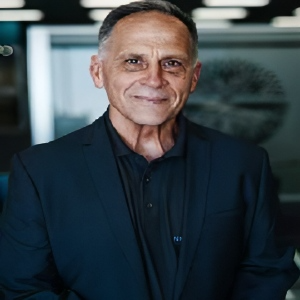
Ken Ware
NeuroPhysics Therapy Institute and Research Centre, Australia
Yong Xiao Wang
Albany Medical College, United States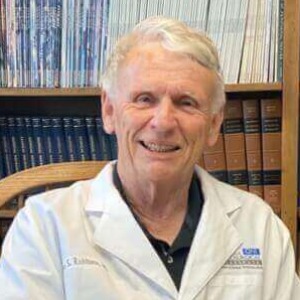
Joe Sam Robinson
Mercer University, United States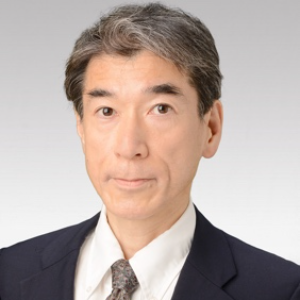
Toru Kondo
Hokkaido University, Japan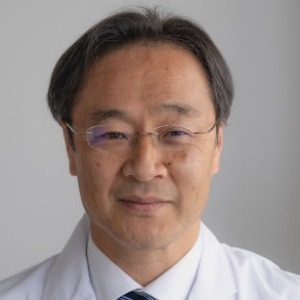
Isao Okunishi
Kinjirushi Co., Ltd, Japan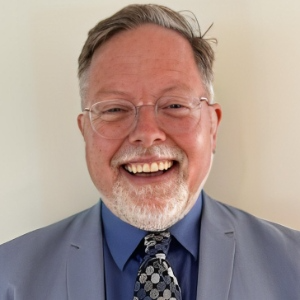
Thomas J Webster
Brown University, United States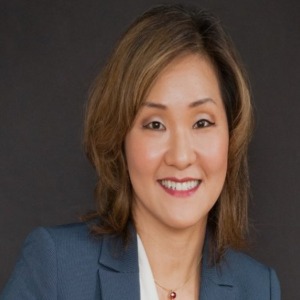
Younok Dumortier Shin
OnusBio, United StatesSubmit your abstract Today


Title : Spring break: A true story of hope and determination
Steven Benvenisti, Davis, Saperstein Salomon, PC, United States
Title : The role of compromised cerebrospinal fluid circulation in sleep apnea
Joe Sam Robinson, Mercer University, United States
Title : ADNP regulates cortical development: Mechanism of ADNP syndrome/autism
Kazuhito Toyooka, Drexel University College of Medicine, United States
Title : Nervous system effects in chemicals with immediately dangerous to life or health values
Sudha P Pandalai, National Institute for Occupational Safety and Health, United States
Title : Clinical outcomes of AI-augmented cognitive rehabilitation in dementia and mild cognitive impairment
Esra Al, NewDays, United States
Title : Atypical presentation of Juvenile myoclonic epilepsy in a 16-year-old female: A case report
George Diaz, Memorial Healthcare Systems, United States