13th Edition of International Conference on Neurology and Brain Disorders
October 19-21, 2026

Neurological Rehabilitation Therapists
Neurological rehabilitation therapists specialize in helping individuals recover and adapt to life following neurological events or injuries, such as strokes, traumatic brain injuries, and spinal cord injuries. They use a combination of physical therapy, occupational therapy, and speech-language therapy to assist patients in regaining motor function, cognitive skills, and communication abilities. These specialists design individualized rehabilitation programs that focus on improving functional independence and promoting neuroplasticity—the brain's ability to reorganize and form new neural connections after injury. They work closely with other healthcare professionals, including neurologists, neurosurgeons, and neuropsychologists, to ensure comprehensive care and monitor progress throughout the rehabilitation process. Neurological rehabilitation therapists also educate patients and their families on coping strategies, assistive devices, and long-term management of neurological conditions. Their role extends to providing emotional and psychological support, addressing the challenges that patients face in adjusting to life after a neurological event. As advancements in rehabilitation techniques continue, these therapists incorporate new technologies such as virtual reality and robotic-assisted therapy to enhance recovery outcomes and accelerate functional gains.
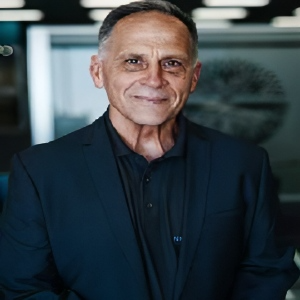
Ken Ware
NeuroPhysics Therapy Institute and Research Centre, Australia
Yong Xiao Wang
Albany Medical College, United States
Joe Sam Robinson
Mercer University, United States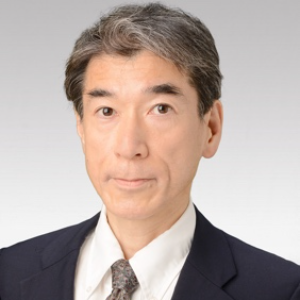
Toru Kondo
Hokkaido University, Japan
Isao Okunishi
Kinjirushi Co., Ltd, Japan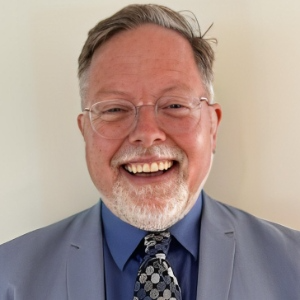
Thomas J Webster
Brown University, United States
Younok Dumortier Shin
OnusBio, United StatesSubmit your abstract Today


Title : Spring break: A true story of hope and determination
Steven Benvenisti, Davis, Saperstein Salomon, PC, United States
Title : The role of compromised cerebrospinal fluid circulation in sleep apnea
Joe Sam Robinson, Mercer University, United States
Title : ADNP regulates cortical development: Mechanism of ADNP syndrome/autism
Kazuhito Toyooka, Drexel University College of Medicine, United States
Title : Clinical outcomes of AI-augmented cognitive rehabilitation in dementia and mild cognitive impairment
Esra Al, NewDays, United States
Title : Atypical presentation of Juvenile myoclonic epilepsy in a 16-year-old female: A case report
George Diaz, Memorial Healthcare Systems, United States
Title : Nanoparticles passing the blood brain barrier to treat cancer, infection, and more
Thomas J Webster, Brown University, United States