13th Edition of International Conference on Neurology and Brain Disorders
October 19-21, 2026

Neurological Disorders and Neurorestoration
Neurological disorders and neurorestoration span a broad spectrum of conditions affecting the nervous system, from the brain and spinal cord to peripheral nerves, often presenting with various symptoms like cognitive decline, movement impairments, sensory deficits, and autonomic dysfunction. Among the prevalent neurological disorders are Alzheimer's disease, Parkinson's disease, epilepsy, stroke, multiple sclerosis, and amyotrophic lateral sclerosis (ALS). Neurorestoration, on the other hand, pertains to the intricate process of repairing or regenerating damaged neurons and neural circuits within the nervous system, encompassing strategies aimed at promoting neuronal survival, axonal regeneration, synaptic plasticity, and functional recovery following injury or disease. This concept integrates multidisciplinary efforts from neuroscience, neurology, neurosurgery, rehabilitation medicine, and biomedical engineering. Scientists and clinicians explore diverse approaches such as stem cell therapy, gene therapy, neurotrophic factors, electrical stimulation, pharmacological interventions, and rehabilitation techniques to advance neurorestoration. However, significant challenges persist, including the complexity of the nervous system, incomplete understanding of neuroregeneration mechanisms, ethical considerations, and the necessity for effective delivery methods for therapeutic agents. Despite these hurdles, ongoing research in neurological disorders and neurorestoration continues to drive progress, enhancing our comprehension of the nervous system and paving the way for innovative treatments to alleviate symptoms, mitigate disease progression, and enhance the quality of life for affected patients.
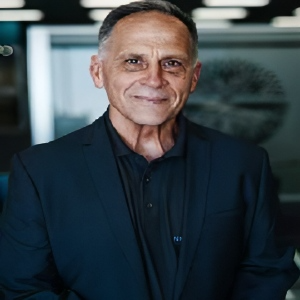
Ken Ware
NeuroPhysics Therapy Institute and Research Centre, Australia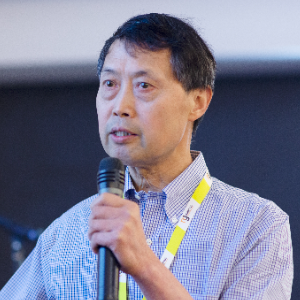
Yong Xiao Wang
Albany Medical College, United States
Joe Sam Robinson
Mercer University, United States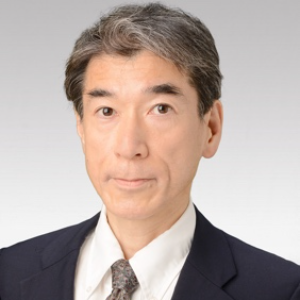
Toru Kondo
Hokkaido University, Japan
Isao Okunishi
Kinjirushi Co., Ltd, Japan
Thomas J Webster
Brown University, United States
Younok Dumortier Shin
OnusBio, United StatesSubmit your abstract Today


Title : Spring break: A true story of hope and determination
Steven Benvenisti, Davis, Saperstein Salomon, PC, United States
Title : The role of compromised cerebrospinal fluid circulation in sleep apnea
Joe Sam Robinson, Mercer University, United States
Title : ADNP regulates cortical development: Mechanism of ADNP syndrome/autism
Kazuhito Toyooka, Drexel University College of Medicine, United States
Title : Clinical outcomes of AI-augmented cognitive rehabilitation in dementia and mild cognitive impairment
Esra Al, NewDays, United States
Title : Atypical presentation of Juvenile myoclonic epilepsy in a 16-year-old female: A case report
George Diaz, Memorial Healthcare Systems, United States
Title : Nanoparticles passing the blood brain barrier to treat cancer, infection, and more
Thomas J Webster, Brown University, United States