13th Edition of International Conference on Neurology and Brain Disorders
October 19-21, 2026

Mental models
A mental model is an internal representation of the external world. It is a cognitive structure that human beings use to understand their environment and make sense of it. Mental models help people to think critically and reason their way to solutions. They provide structure for thought by presenting a framework to make sense of complex systems. Mental models are mental representations of how the world works, based on past experience and experiments. They are formed over time, and they shape the way we interact with the world around us. Mental models influence our thinking and behavior in business, leadership, and everyday life. They are used as a basis for making decisions and formulating problem-solving strategies. Mental models can encompass social concepts like norms and values, or systems models like technologies and the laws of science. People’s mental models tend to reflect the context in which they were created, and often include underlying assumptions that the person is unaware of. Mental models are used by individuals to represent systems and may be mediated through graphical models like networks or flow diagrams. Groups of individuals can also construct mental models, such as those used in scenario planning to create common understanding. Mental models can be used to understand events, suggest strategies, and inform decisions. Mental models have been studied in cognitive science and psychology, as they can provide insights into mental processes. They can provide a useful way of understanding a situation in which there may be complex interdependencies or multiple competing explanations. Mental models can also be used to generate hypotheses in order to further explore problems. Overall, mental models are a powerful tool used to understand the world around us as they allow us to interpret, predict, and act on situations. Through constructing mental models, we can gain deeper understanding of systems and develop better problem-solving strategies.

Ken Ware
NeuroPhysics Therapy Institute and Research Centre, Australia
Yong Xiao Wang
Albany Medical College, United States
Joe Sam Robinson
Mercer University, United States
Toru Kondo
Hokkaido University, Japan
Isao Okunishi
Kinjirushi Co., Ltd, Japan
Thomas J Webster
Brown University, United States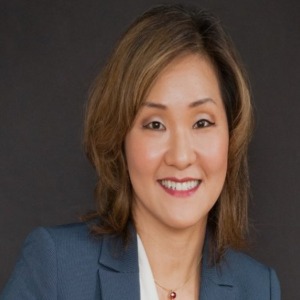
Younok Dumortier Shin
OnusBio, United StatesSubmit your abstract Today


Title : Spring break: A true story of hope and determination
Steven Benvenisti, Davis, Saperstein Salomon, PC, United States
Title : The role of compromised cerebrospinal fluid circulation in sleep apnea
Joe Sam Robinson, Mercer University, United States
Title : ADNP regulates cortical development: Mechanism of ADNP syndrome/autism
Kazuhito Toyooka, Drexel University College of Medicine, United States
Title : Clinical outcomes of AI-augmented cognitive rehabilitation in dementia and mild cognitive impairment
Esra Al, NewDays, United States
Title : Atypical presentation of Juvenile myoclonic epilepsy in a 16-year-old female: A case report
George Diaz, Memorial Healthcare Systems, United States
Title : Nanoparticles passing the blood brain barrier to treat cancer, infection, and more
Thomas J Webster, Brown University, United States