13th Edition of International Conference on Neurology and Brain Disorders
October 19-21, 2026

Ischemic Stroke
Ischemic stroke occurs when one of the blood vessels in the brain is blocked, resulting in the deprivation of oxygen and nutrients to the affected area. This causes damage to the brain tissue and can lead to death or disability. It is the most common type of stroke, accounting for about 87% of all cases. Ischemic strokes are usually caused by atherosclerosis, a condition where fatty material builds up inside the blood vessels and makes it more difficult for them to pump oxygen-rich blood through to the brain. This puts the patient at risk of a stroke because the amount of oxygen and nutrients that can be supplied is lowered. In some cases, a clot may form and cause a blockage. The risk of an ischemic stroke increases with age, as the walls of the blood vessels can become thicker with time. Certain risk factors can put someone at a higher risk for ischemic stroke, such as smoking, high blood pressure, high cholesterol, atrial fibrillation, diabetes, and obesity. Additionally, certain medical conditions, such as carotid artery disease, arteriovenous malformations, and sickle cell anemia, can also increase the risk. The symptoms of ischemic stroke can come on suddenly and are often severe. These include problems with vision, speaking, balance, arm or leg weakness, facial droop, and confusion. If any of these symptoms are present, it is important to seek medical attention immediately. Treatments for ischemic stroke includes drugs like tPA, which help to dissolve the clot, and endovascular treatments, which involve devices that can be threaded through the blood vessels of the brain to remove the clot. In some cases, surgical procedures may be necessary to treat the stroke. By recognizing the risk factors and symptoms of ischemic stroke, it’s possible to reduce the risk of stroke with lifestyle changes, or receive treatment quickly if a stroke does occur.
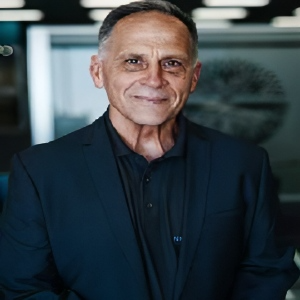
Ken Ware
NeuroPhysics Therapy Institute and Research Centre, Australia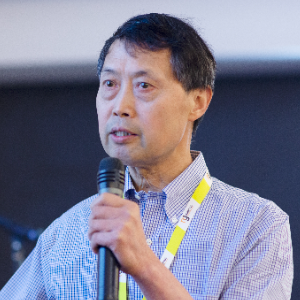
Yong Xiao Wang
Albany Medical College, United States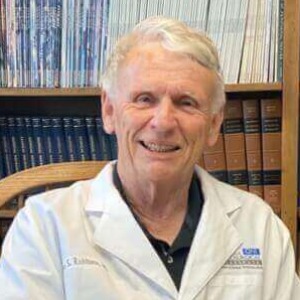
Joe Sam Robinson
Mercer University, United States
Toru Kondo
Hokkaido University, Japan
Isao Okunishi
Kinjirushi Co., Ltd, Japan
Thomas J Webster
Brown University, United States
Younok Dumortier Shin
OnusBio, United StatesSubmit your abstract Today


Title : Spring break: A true story of hope and determination
Steven Benvenisti, Davis, Saperstein Salomon, PC, United States
Title : The role of compromised cerebrospinal fluid circulation in sleep apnea
Joe Sam Robinson, Mercer University, United States
Title : ADNP regulates cortical development: Mechanism of ADNP syndrome/autism
Kazuhito Toyooka, Drexel University College of Medicine, United States
Title : Nervous system effects in chemicals with immediately dangerous to life or health values
Sudha P Pandalai, National Institute for Occupational Safety and Health, United States
Title : Clinical outcomes of AI-augmented cognitive rehabilitation in dementia and mild cognitive impairment
Esra Al, NewDays, United States
Title : Atypical presentation of Juvenile myoclonic epilepsy in a 16-year-old female: A case report
George Diaz, Memorial Healthcare Systems, United States