13th Edition of International Conference on Neurology and Brain Disorders
October 19-21, 2026

Inhibition Of Behavior
Inhibition of behavior is the process of preventing neurological processes from occurring in response to a stimulus. This can include stimulus control, such as with the use of negative reinforcement or positive reinforcement, or cognitive control, such as with the use of cognitive strategies or self-talk. Inhibition of behavior is primarily used to reduce or stop unwanted behavior that interferes with life and learning. Generally, inhibition of behavior is based on the principle of classical conditioning. In classical conditioning, one learns to associate a certain stimulus or behavior with negative or aversive consequences. Through consistent conditioning and the repetition of this stimulus-response association, behavior can be inhibited, which can lead to a reduction or elimination of the unwanted behavior. Inhibition of behavior can also be achieved through the use of cognitive strategies, such as self-talk. Self-talk is a way for an individual to reinforce good behaviors, redirect attention away from undesirable behaviors, and reframe how they feel about certain situations. Through the repetition of positive self-talk, one can learn to divert their attention away from unwanted behaviors or emotions and, ultimately, reduce their occurrence. Inhibition of behavior is an important part of everyday psychological functioning and well-being. Through the use of these strategies and techniques, individuals are able to effectively manage undesired behavior and improve their overall psychological health and functioning. Additionally, effective use of inhibition of behavior techniques can be beneficial in reducing the negative symptoms associated with anxiety and other emotional disorders.

Ken Ware
NeuroPhysics Therapy Institute and Research Centre, Australia
Yong Xiao Wang
Albany Medical College, United States
Joe Sam Robinson
Mercer University, United States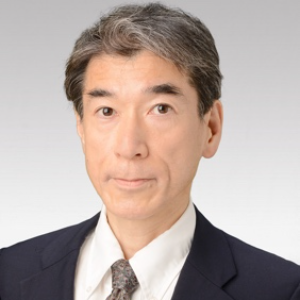
Toru Kondo
Hokkaido University, Japan
Isao Okunishi
Kinjirushi Co., Ltd, Japan
Thomas J Webster
Brown University, United States
Younok Dumortier Shin
OnusBio, United StatesSubmit your abstract Today


Title : Spring break: A true story of hope and determination
Steven Benvenisti, Davis, Saperstein Salomon, PC, United States
Title : The role of compromised cerebrospinal fluid circulation in sleep apnea
Joe Sam Robinson, Mercer University, United States
Title : ADNP regulates cortical development: Mechanism of ADNP syndrome/autism
Kazuhito Toyooka, Drexel University College of Medicine, United States
Title : Clinical outcomes of AI-augmented cognitive rehabilitation in dementia and mild cognitive impairment
Esra Al, NewDays, United States
Title : Atypical presentation of Juvenile myoclonic epilepsy in a 16-year-old female: A case report
George Diaz, Memorial Healthcare Systems, United States
Title : Nanoparticles passing the blood brain barrier to treat cancer, infection, and more
Thomas J Webster, Brown University, United States