13th Edition of International Conference on Neurology and Brain Disorders
October 19-21, 2026

Human Brain Functions
The human brain is an incredibly complex organ with a multitude of functions. It is responsible for controlling and integrating all of the various functions in the body, including movement, speech, and thought. The brain is composed of several different areas, each of which performs specific tasks. The four major regions are the frontal lobe, the parietal lobe, the temporal lobe, and the occipital lobe. The frontal lobe is responsible for most of our higher cognitive functions such as memory, language, problem solving and decision making. The parietal lobe is involved in controlling sensations and interpreting spatial information. The temporal lobe is associated with vision and hearing, as well as language and reading comprehension. The occipital lobe is responsible for vision processing and visual perception. In addition to the four primary lobes, the brain also contains several smaller structures that are involved in more specialized functions. The hippocampus is important for memory formation and learning, while the amygdala is involved in emotional processing. The hypothalamus is responsible for regulating hormones and other essential bodily processes. The basal ganglia controls movement, and the cerebellum is involved in coordinating fine motor movements. The brain is also the source of the chemical messengers known as neurotransmitters. These chemicals, produced by nerve cells in the brain, are responsible for how we feel, think, and behave. Without neurotransmitter communication, the body and mind would cease to function. Overall, the human brain is capable of amazing feats and its functions are often taken for granted. Without its presence, we would have no consciousness and no ability to interact with the world around us. It is an amazing organ that is just beginning to be understood.
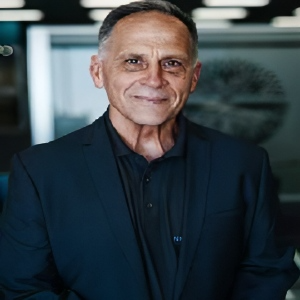
Ken Ware
NeuroPhysics Therapy Institute and Research Centre, Australia
Yong Xiao Wang
Albany Medical College, United States
Joe Sam Robinson
Mercer University, United States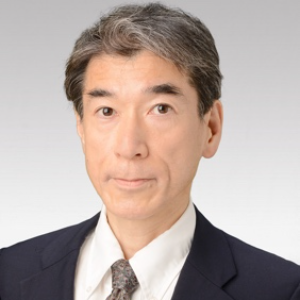
Toru Kondo
Hokkaido University, Japan
Isao Okunishi
Kinjirushi Co., Ltd, Japan
Thomas J Webster
Brown University, United States
Younok Dumortier Shin
OnusBio, United StatesSubmit your abstract Today


Title : Spring break: A true story of hope and determination
Steven Benvenisti, Davis, Saperstein Salomon, PC, United States
Title : The role of compromised cerebrospinal fluid circulation in sleep apnea
Joe Sam Robinson, Mercer University, United States
Title : ADNP regulates cortical development: Mechanism of ADNP syndrome/autism
Kazuhito Toyooka, Drexel University College of Medicine, United States
Title : Clinical outcomes of AI-augmented cognitive rehabilitation in dementia and mild cognitive impairment
Esra Al, NewDays, United States
Title : Atypical presentation of Juvenile myoclonic epilepsy in a 16-year-old female: A case report
George Diaz, Memorial Healthcare Systems, United States
Title : Nanoparticles passing the blood brain barrier to treat cancer, infection, and more
Thomas J Webster, Brown University, United States