13th Edition of International Conference on Neurology and Brain Disorders
October 19-21, 2026

Cognitive Health Coaches
As awareness of brain health grows, people are increasingly seeking proactive ways to maintain cognitive function throughout life. In response, cognitive health coaches have emerged as important guides who help individuals strengthen their mental agility, memory, focus, and emotional resilience. These professionals design personalized strategies based on neuroscience, lifestyle medicine, and behavioral psychology to support long-term brain performance. Their work is especially valuable for aging populations, individuals at risk for neurodegenerative diseases, or those recovering from brain injuries who want to preserve or rebuild cognitive function.
Unlike clinical neurologists or therapists, cognitive health coaches focus on optimizing mental performance through non-medical, holistic means such as cognitive training exercises, stress reduction techniques, nutritional guidance, and sleep optimization. They often collaborate with neurologists, psychologists, and wellness practitioners to ensure their strategies align with a client’s broader health goals. By addressing daily habits and mindset, they empower individuals to take an active role in protecting their brain health. As research continues to highlight the connection between lifestyle and cognitive aging, the role of these coaches is becoming increasingly relevant in both preventive care and cognitive rehabilitation. Their support offers a valuable blend of science-backed techniques and motivational coaching that promotes sharper thinking and a healthier brain across all stages of life.
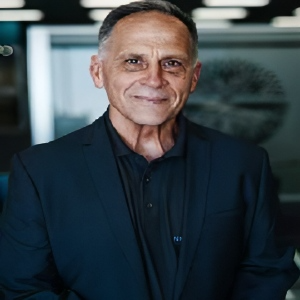
Ken Ware
NeuroPhysics Therapy Institute and Research Centre, Australia
Yong Xiao Wang
Albany Medical College, United States
Joe Sam Robinson
Mercer University, United States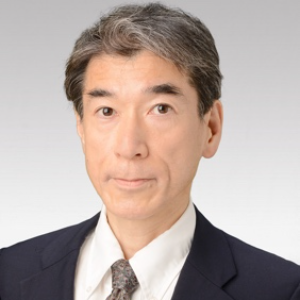
Toru Kondo
Hokkaido University, Japan
Isao Okunishi
Kinjirushi Co., Ltd, Japan
Thomas J Webster
Brown University, United States
Younok Dumortier Shin
OnusBio, United StatesSubmit your abstract Today


Title : Spring break: A true story of hope and determination
Steven Benvenisti, Davis, Saperstein Salomon, PC, United States
Title : The role of compromised cerebrospinal fluid circulation in sleep apnea
Joe Sam Robinson, Mercer University, United States
Title : ADNP regulates cortical development: Mechanism of ADNP syndrome/autism
Kazuhito Toyooka, Drexel University College of Medicine, United States
Title : Clinical outcomes of AI-augmented cognitive rehabilitation in dementia and mild cognitive impairment
Esra Al, NewDays, United States
Title : Atypical presentation of Juvenile myoclonic epilepsy in a 16-year-old female: A case report
George Diaz, Memorial Healthcare Systems, United States
Title : Nanoparticles passing the blood brain barrier to treat cancer, infection, and more
Thomas J Webster, Brown University, United States