13th Edition of International Conference on Neurology and Brain Disorders
October 19-21, 2026

Brain Oncology
Brain oncology studies the diagnosis and treatments of tumors and other cancers that affect the brain or spinal cord, with one of the most common being a glioma. It is a subspecialty of oncology, which concerns itself with the diagnosis, treatment, and management of cancerous cells. The first step in treating a brain tumor is usually an MRI or CT scan to confirm its presence. Once identified, the brain tumor will be classified based on its structure, size, and biological makeup. This will then determine what type of treatment is most appropriate. The primary treatment for brain tumors is surgery in which the tumor is removed from the brain. Unfortunately, even after removal, some tumors will continue to grow back and require further treatment. This is why radiation therapy is typically prescribed after surgery or for tumors that are not surgically removed. Although radiation may be successful in killing some of the cancer cells, it can also cause damage to healthy tissue. Chemotherapy is also often included into the treatment plan for brain tumors, although this is often more effective as a preventative measure in order to keep any tumor from forming in the future. In addition to these physical treatments, the patient may be prescribed anti-seizure drugs to reduce the occurrence of seizures that may be associated with the tumor. There is also a range of symptomatic treatments that can reduce pain and help with other symptoms. No matter how complex the treatment plan may be, the goal of brain oncology is to provide the patient with the best quality of life possible during their treatment. This includes providing the patient with psychological and expert support to manage any side effects of treatment, in addition to alleviating pain and other symptoms. Overall, brain oncology is a complex field that researches the diagnosis and treatment of tumors and other cancers affecting the brain or spinal cord. Treatment plans vary depending on the size, structure, and biology of the tumor, but often include surgery, radiation, and chemotherapy.

Ken Ware
NeuroPhysics Therapy Institute and Research Centre, Australia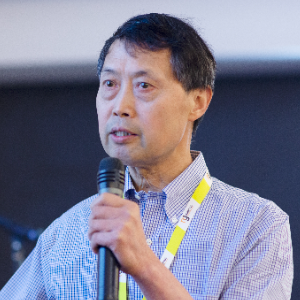
Yong Xiao Wang
Albany Medical College, United States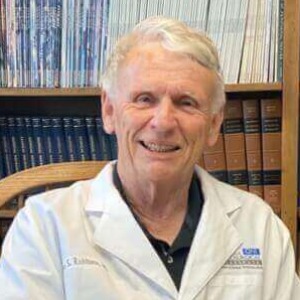
Joe Sam Robinson
Mercer University, United States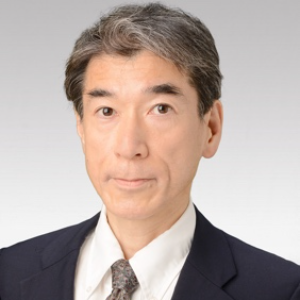
Toru Kondo
Hokkaido University, Japan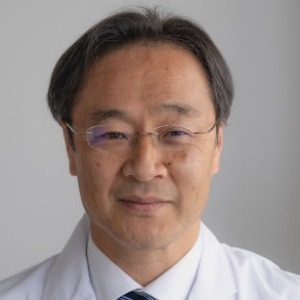
Isao Okunishi
Kinjirushi Co., Ltd, Japan
Thomas J Webster
Brown University, United States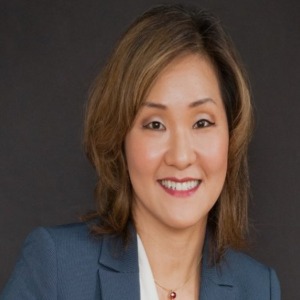
Younok Dumortier Shin
OnusBio, United StatesSubmit your abstract Today


Title : Spring break: A true story of hope and determination
Steven Benvenisti, Davis, Saperstein Salomon, PC, United States
Title : The role of compromised cerebrospinal fluid circulation in sleep apnea
Joe Sam Robinson, Mercer University, United States
Title : ADNP regulates cortical development: Mechanism of ADNP syndrome/autism
Kazuhito Toyooka, Drexel University College of Medicine, United States
Title : Nervous system effects in chemicals with immediately dangerous to life or health values
Sudha P Pandalai, National Institute for Occupational Safety and Health, United States
Title : Clinical outcomes of AI-augmented cognitive rehabilitation in dementia and mild cognitive impairment
Esra Al, NewDays, United States
Title : Atypical presentation of Juvenile myoclonic epilepsy in a 16-year-old female: A case report
George Diaz, Memorial Healthcare Systems, United States