13th Edition of International Conference on Neurology and Brain Disorders
October 19-21, 2026

Traumatic Brain Injuries
Traumatic brain injury (TBI) is an insult to the brain, typically caused by an external physical force, that can result in temporary or permanent impairment in cognitive, physical, emotional, or psychological functioning. It can cause practical problems such as loss of coordination, motor function, cognitive abilities, and communication problems, and can also cause psychological symptoms such as mood swings and depression. TBI is most commonly caused by a blow to the head, such as can occur in vehicle accidents, falls, and sports injuries. It can result in a range of short- and long-term complications, from mild symptoms to permanent disability or death. The severity of the injury will determine the degree and duration of impairment, and can vary significantly from person to person. TBI is typically measured by using various methods of evaluation such as normal neurological examinations, neuroimaging, and neuropsychological tests. Imaging methods such as magnetic resonance imaging (MRI) and computed tomography (CT) can provide detailed information about the degree of brain injury, while neuropsychological tests are used to assess cognitive abilities such as memory, reasoning, and language skills. Treatment for TBI typically includes managing complications, providing care for physical and cognitive impairments, and working to restore the abilities affected by the injury. For mild TBIs, physical and occupational therapy, counseling, and medication may be used. Those with moderate or severe TBIs may require admission to a hospital or rehabilitation program for long-term care. TBI can have a significant impact on those affected and their families. Support from loved ones, medical professionals, and organizations can be crucial for those suffering from a TBI, as well as for helping them to address the physical, emotional, and financial consequences. Resources such as the Brain Injury Association of America, the Centers for Disease Control and Prevention, and the National Institutes of Health can provide assistance and support for those living with TBI and their families.

Ken Ware
NeuroPhysics Therapy Institute and Research Centre, Australia
Yong Xiao Wang
Albany Medical College, United States
Joe Sam Robinson
Mercer University, United States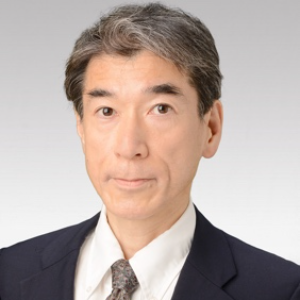
Toru Kondo
Hokkaido University, Japan
Isao Okunishi
Kinjirushi Co., Ltd, Japan
Thomas J Webster
Brown University, United States
Younok Dumortier Shin
OnusBio, United StatesSubmit your abstract Today


Title : Spring break: A true story of hope and determination
Steven Benvenisti, Davis, Saperstein Salomon, PC, United States
Title : The role of compromised cerebrospinal fluid circulation in sleep apnea
Joe Sam Robinson, Mercer University, United States
Title : ADNP regulates cortical development: Mechanism of ADNP syndrome/autism
Kazuhito Toyooka, Drexel University College of Medicine, United States
Title : Nervous system effects in chemicals with immediately dangerous to life or health values
Sudha P Pandalai, National Institute for Occupational Safety and Health, United States
Title : Clinical outcomes of AI-augmented cognitive rehabilitation in dementia and mild cognitive impairment
Esra Al, NewDays, United States
Title : Atypical presentation of Juvenile myoclonic epilepsy in a 16-year-old female: A case report
George Diaz, Memorial Healthcare Systems, United States