13th Edition of International Conference on Neurology and Brain Disorders
October 19-21, 2026

Thalamus
The thalamus is an important part of the brain, located at the center of the brain between the cerebral cortex and midbrain. It is composed of several integral nuclei, the largest of which are the thalamic nuclei and the pulvinar. The thalamus acts as a relay center for sensory information coming into the brain from the spinal cord, as well as from other brain regions. It also helps regulate many functions, such as sleep, consciousness, movement, posture, alertness, and memory. One of the main structures of the thalamus is the reticular nucleus, which is responsible for generating brain states ranging from sleep to arousal, attention to distraction, and short-term to long-term memory. Other important structures found within the thalamus are the intralaminar nuclei, which are responsible for relaying motor commands to other regions of the brain, and the ventroposteromedial nucleus, which is involved in processing pain signals. The thalamus is crucial for the formation of memories in the brain. It helps to integrate information from different sources – such as sensory input and emotion or motor output – by transferring signals between other brain structures. Through its role in neuroplasticity, the thalamus is able to learn and adapt, aiding in the ability to acquire and recall memories. The thalamus is also involved in regulating arousal, alertness and consciousness. It is responsible for relaying sensory signals that help to keep us alert and conscious of our environment, as well as promoting wakefulness. The thalamus is also involved in mediating sleep and wakefulness, and is especially active during REM (rapid eye movement) sleep – a state of deep sleep when most dreaming occurs. The thalamus plays an important role in the brain's overall functioning and well-being. Its various nuclei are essential for processing sensory and motor information, forming memories, and regulating arousal and consciousness. This important part of the brain ensures optimal functioning and mental and physical health.

Ken Ware
NeuroPhysics Therapy Institute and Research Centre, Australia
Yong Xiao Wang
Albany Medical College, United States
Joe Sam Robinson
Mercer University, United States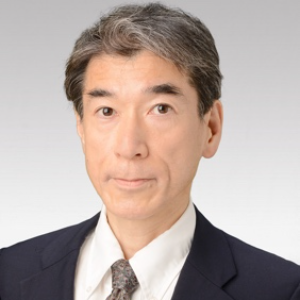
Toru Kondo
Hokkaido University, Japan
Isao Okunishi
Kinjirushi Co., Ltd, Japan
Thomas J Webster
Brown University, United States
Younok Dumortier Shin
OnusBio, United StatesSubmit your abstract Today


Title : Spring break: A true story of hope and determination
Steven Benvenisti, Davis, Saperstein Salomon, PC, United States
Title : The role of compromised cerebrospinal fluid circulation in sleep apnea
Joe Sam Robinson, Mercer University, United States
Title : ADNP regulates cortical development: Mechanism of ADNP syndrome/autism
Kazuhito Toyooka, Drexel University College of Medicine, United States
Title : Nervous system effects in chemicals with immediately dangerous to life or health values
Sudha P Pandalai, National Institute for Occupational Safety and Health, United States
Title : Clinical outcomes of AI-augmented cognitive rehabilitation in dementia and mild cognitive impairment
Esra Al, NewDays, United States
Title : Atypical presentation of Juvenile myoclonic epilepsy in a 16-year-old female: A case report
George Diaz, Memorial Healthcare Systems, United States