13th Edition of International Conference on Neurology and Brain Disorders
October 19-21, 2026

Sympathetic Nervous System
The sympathetic nervous system is a part of the autonomic nervous system and is responsible for mediating the body’s response to stress. It is responsible for the fight or flight response and helps to regulate many physiological processes including heart rate, respiration, digestion, and circulation. The sympathetic nervous system is composed of neurons that are connected to the central nervous system and other parts of the body. These neurons run from the spinal cord to the organs and release neurotransmitters which can generate changes in the body. In response to a stressor, neurotransmitters are released which can cause vasoconstriction, increased heart rate, and pupil dilation. The sympathetic nervous system is also responsible for mobilizing the body’s resources when faced with a stressful situation. This response is also known as the stress response and can include raised blood sugar levels, increased adrenaline hormone levels, increased breathing rate and sweating. This helps the body to prepare for a stressful situation, such as running away from danger. The response of the sympathetic nervous system can also last for an extended period of time. During this time, the body is in a state of hyperarousal and can have increased cortisol levels, increased blood pressure, and changes in heart rate and respiration. This state of arousal can be beneficial in some situations as it improves alertness and enables the body to respond quickly to environmental stimuli. However, when the body remains in this state of arousal for a prolonged period of time, it can lead to physical and psychological exhaustion. In summary, the sympathetic nervous system is a part of the autonomic nervous system which is responsible for the fight or flight response. It helps to regulate many physiological processes, including heart rate, respiration, digestion, and circulation. The sympathetic nervous system also releases neurotransmitters in response to a stressor which can cause vasoconstriction, increased heart rate, and pupil dilation. The body can maintain this state of arousal for an extended period of time, however, prolonged arousal can lead to exhaustion.

Ken Ware
NeuroPhysics Therapy Institute and Research Centre, Australia
Yong Xiao Wang
Albany Medical College, United States
Joe Sam Robinson
Mercer University, United States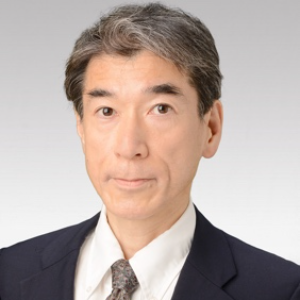
Toru Kondo
Hokkaido University, Japan
Isao Okunishi
Kinjirushi Co., Ltd, Japan
Thomas J Webster
Brown University, United States
Younok Dumortier Shin
OnusBio, United StatesSubmit your abstract Today


Title : Spring break: A true story of hope and determination
Steven Benvenisti, Davis, Saperstein Salomon, PC, United States
Title : The role of compromised cerebrospinal fluid circulation in sleep apnea
Joe Sam Robinson, Mercer University, United States
Title : ADNP regulates cortical development: Mechanism of ADNP syndrome/autism
Kazuhito Toyooka, Drexel University College of Medicine, United States
Title : Clinical outcomes of AI-augmented cognitive rehabilitation in dementia and mild cognitive impairment
Esra Al, NewDays, United States
Title : Atypical presentation of Juvenile myoclonic epilepsy in a 16-year-old female: A case report
George Diaz, Memorial Healthcare Systems, United States
Title : Nanoparticles passing the blood brain barrier to treat cancer, infection, and more
Thomas J Webster, Brown University, United States