13th Edition of International Conference on Neurology and Brain Disorders
October 19-21, 2026

Stroke Prognosis
A stroke prognosis is a form of research in stroke medicine that is used to assess a person’s likely outcomes after suffering from stroke. It is important to be aware of the potential prognosis in order to provide appropriate treatment and to monitor progress in recovery. The prognosis of any given stroke can be a complex mixture of factors such as the type of stroke, the person’s age and medical history, and other contributing factors. The prognosis of a stroke depends on the characteristics of the stroke and the extent of the damage it has caused. For example, a stroke caused by bleeding can be more serious than one caused by a blockage. Similarly, a stroke affecting larger brain areas can have more severe effects on the body and mind than a smaller-scale stroke. The location of the stroke is also important. In general, strokes involving the brain stem, the cerebellum, and the dominant hemisphere tend to have worse outcomes. Age, gender, and medical history are also taken into account when making predictions of recovery. Once a prognosis is established, it is important to take the necessary steps to help the individual receive adequate care and treatment to improve their outcome after a stroke. This may include physical therapy, occupational therapy, speech and language therapy, medication, and lifestyle modifications. A collaboration between the patient and their medical team is critical in order to ensure that the optimal recovery plan is established. A stroke prognosis provides a valuable guide to assessing a patient’s response to treatment and likely outcome. Overall, in many individuals the long-term effects of stroke can be managed sufficiently to allow the individual to continue functioning on their own. However, it is important to note that individuals who have suffered from a stroke can have a diverse range of short and long-term outcomes.

Ken Ware
NeuroPhysics Therapy Institute and Research Centre, Australia
Yong Xiao Wang
Albany Medical College, United States
Joe Sam Robinson
Mercer University, United States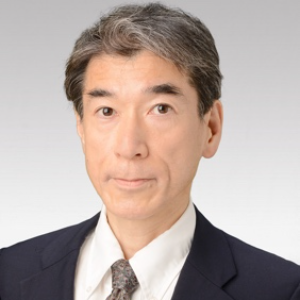
Toru Kondo
Hokkaido University, Japan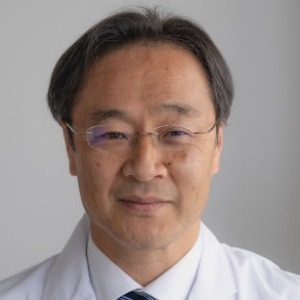
Isao Okunishi
Kinjirushi Co., Ltd, Japan
Thomas J Webster
Brown University, United States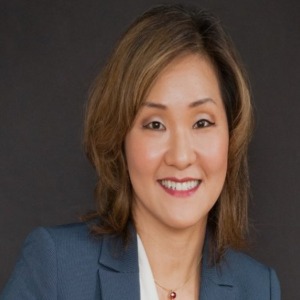
Younok Dumortier Shin
OnusBio, United StatesSubmit your abstract Today


Title : Spring break: A true story of hope and determination
Steven Benvenisti, Davis, Saperstein Salomon, PC, United States
Title : The role of compromised cerebrospinal fluid circulation in sleep apnea
Joe Sam Robinson, Mercer University, United States
Title : ADNP regulates cortical development: Mechanism of ADNP syndrome/autism
Kazuhito Toyooka, Drexel University College of Medicine, United States
Title : Nervous system effects in chemicals with immediately dangerous to life or health values
Sudha P Pandalai, National Institute for Occupational Safety and Health, United States
Title : Clinical outcomes of AI-augmented cognitive rehabilitation in dementia and mild cognitive impairment
Esra Al, NewDays, United States
Title : Atypical presentation of Juvenile myoclonic epilepsy in a 16-year-old female: A case report
George Diaz, Memorial Healthcare Systems, United States