13th Edition of International Conference on Neurology and Brain Disorders
October 19-21, 2026

Spinocerebellar Ataxia
Spinocerebellar ataxia (SCA) is a group of rare inherited disorders that cause progressive problems related to movement of the body. It is thought to affect between 10 and 25 of every 100,000 people in the general population. Symptoms generally begin in childhood and worsen as individuals age, although some forms of the condition can present in adulthood. The severity of symptoms varies from person to person, depending on the type and course of the disorder. SCA is caused by genetic mutations in a variety of genes responsible for controlling the balance, coordination, and muscle control of the body. The form and progression of the disease can vary from one individual to another, although common symptoms may include difficulty with coordination, particularly of limb movement, unsteady gait, and impaired speech. Other symptoms may include tremors, problems swallowing or speaking, clumsiness when using the hands, and a feeling of stiffness or tightness in the muscles. Diagnosis of SCA is usually based on a combination of clinical examination, laboratory and imaging tests, family history, and genetic testing. A thorough medical workup can help rule out other conditions that may have similar symptoms. Treatment for SCA usually involves medication to help control symptoms, as well as physical, occupational, and speech therapy. In some cases, patients may benefit from orthopedic supports or braces. The outlook for individuals with SCA depends on the type of condition and its severity, although there is unfortunately no known cure. Despite this, treatments may help improve symptoms and manage progression of the disease. Those affected by SCA should speak with their doctor to learn more about their specific form and what treatments may be best for them.

Ken Ware
NeuroPhysics Therapy Institute and Research Centre, Australia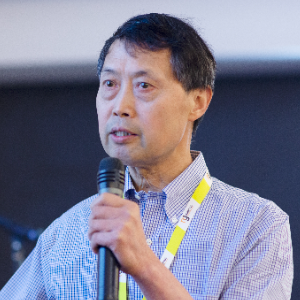
Yong Xiao Wang
Albany Medical College, United States
Joe Sam Robinson
Mercer University, United States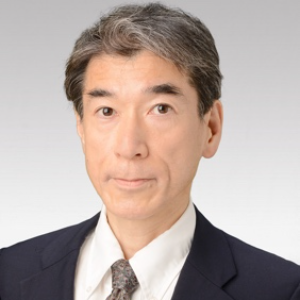
Toru Kondo
Hokkaido University, Japan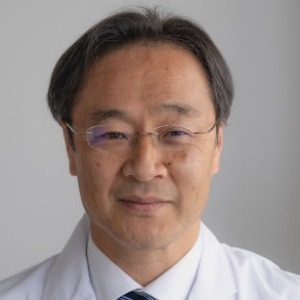
Isao Okunishi
Kinjirushi Co., Ltd, Japan
Thomas J Webster
Brown University, United States
Younok Dumortier Shin
OnusBio, United StatesSubmit your abstract Today


Title : Spring break: A true story of hope and determination
Steven Benvenisti, Davis, Saperstein Salomon, PC, United States
Title : The role of compromised cerebrospinal fluid circulation in sleep apnea
Joe Sam Robinson, Mercer University, United States
Title : ADNP regulates cortical development: Mechanism of ADNP syndrome/autism
Kazuhito Toyooka, Drexel University College of Medicine, United States
Title : Nervous system effects in chemicals with immediately dangerous to life or health values
Sudha P Pandalai, National Institute for Occupational Safety and Health, United States
Title : Clinical outcomes of AI-augmented cognitive rehabilitation in dementia and mild cognitive impairment
Esra Al, NewDays, United States
Title : Atypical presentation of Juvenile myoclonic epilepsy in a 16-year-old female: A case report
George Diaz, Memorial Healthcare Systems, United States