13th Edition of International Conference on Neurology and Brain Disorders
October 19-21, 2026

Neurophysiology Medicine
Neurophysiology is the branch of medicine that deals with the physiology of the nervous system. It is the study of how the nervous system works, how neurons communicate with each other, and how electrical and chemical signals in the body interact. Neurophysiology Medicine is a field of medicine that uses the principles of neurophysiology to treat disorders and diseases of the nervous system. Neurophysiology Medicine focuses on understanding the anatomy of the nervous system, the physiology of the cells and tissues, and the electrical and chemical properties of the cells. Studies also involve examining how neurons interact with each other, how they regulate function, and how they can be treated and managed. Neurophysiology Medicine also focuses on developing new treatments and therapies that target specific disorders or diseases. Neurophysiology Medicine has advanced significantly over the years, allowing for better diagnosis and treatment of conditions such as Alzheimer’s disease, stroke, traumatic brain injury, seizure disorders, sleep disorders, and many others. This has resulted in improved quality of care, better outcomes, and improved quality of life for many patients. Neurophysiology Medicine advancements occur through research, clinical studies, and clinical trials (which involve the use of new treatments); however, it is the application of neurophysiology in clinical practice that has driven the most notable advancements. As new diagnostics, treatments, and therapies are developed, they are applied to existing treatments and therapies in order to assess safety, efficacy, and effectiveness. Neurophysiology Medicine also incorporates other fields of medicine such as psychiatry and neurology in order to target the most effective solutions for patients. Today, Neurophysiology Medicine has made its way into hospitals, clinics, and other healthcare settings. It is a growing field of medicine and has allowed for the development of advanced treatments and therapies that can help people with neurological diseases and disorders.

Ken Ware
NeuroPhysics Therapy Institute and Research Centre, Australia
Yong Xiao Wang
Albany Medical College, United States
Joe Sam Robinson
Mercer University, United States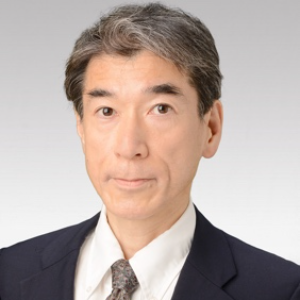
Toru Kondo
Hokkaido University, Japan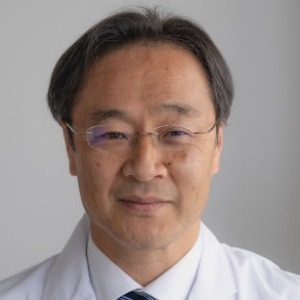
Isao Okunishi
Kinjirushi Co., Ltd, Japan
Thomas J Webster
Brown University, United States
Younok Dumortier Shin
OnusBio, United StatesSubmit your abstract Today


Title : Spring break: A true story of hope and determination
Steven Benvenisti, Davis, Saperstein Salomon, PC, United States
Title : The role of compromised cerebrospinal fluid circulation in sleep apnea
Joe Sam Robinson, Mercer University, United States
Title : ADNP regulates cortical development: Mechanism of ADNP syndrome/autism
Kazuhito Toyooka, Drexel University College of Medicine, United States
Title : Nervous system effects in chemicals with immediately dangerous to life or health values
Sudha P Pandalai, National Institute for Occupational Safety and Health, United States
Title : Clinical outcomes of AI-augmented cognitive rehabilitation in dementia and mild cognitive impairment
Esra Al, NewDays, United States
Title : Atypical presentation of Juvenile myoclonic epilepsy in a 16-year-old female: A case report
George Diaz, Memorial Healthcare Systems, United States