13th Edition of International Conference on Neurology and Brain Disorders
October 19-21, 2026

Neurohospitalists
Neurohospitalists are neurologists who specialize in the inpatient care of patients with neurological conditions. Their focus is on managing acute neurological illnesses such as stroke, seizures, encephalitis, and traumatic brain injuries during hospitalization. These specialists provide continuous monitoring, rapid diagnosis, and timely treatment for complex neurological issues that arise in the hospital setting. Unlike outpatient neurologists, neurohospitalists are available around the clock to respond to urgent neurological changes, working closely with emergency physicians, intensivists, and other specialists to optimize patient care.
The increasing complexity of neurological diseases and advances in hospital medicine have made the role of neurohospitalists indispensable. They not only manage emergencies but also coordinate care transitions from the hospital to rehabilitation centers or outpatient clinics. Neurohospitalists also contribute to improving hospital protocols for neurological care, enhancing patient safety and outcomes. Their expertise helps reduce complications, length of stay, and readmission rates for neurological patients. By focusing exclusively on hospitalized patients, neurohospitalists ensure specialized, continuous, and comprehensive care that addresses the unique challenges of acute neurological disorders in a fast-paced hospital environment. Their presence helps bridge gaps between acute care and long-term management, offering patients a smoother recovery journey. With a deep understanding of hospital systems and neurological needs, neurohospitalists are key to advancing inpatient neurological care. Their role continues to evolve alongside innovations in medicine and technology, improving outcomes for countless patients every day.
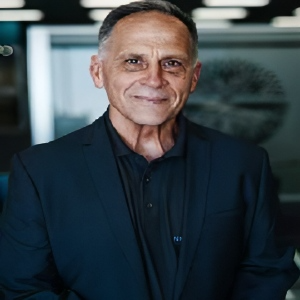
Ken Ware
NeuroPhysics Therapy Institute and Research Centre, Australia
Yong Xiao Wang
Albany Medical College, United States
Joe Sam Robinson
Mercer University, United States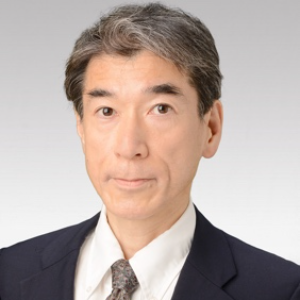
Toru Kondo
Hokkaido University, Japan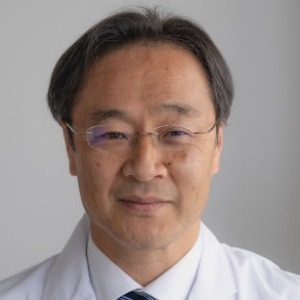
Isao Okunishi
Kinjirushi Co., Ltd, Japan
Thomas J Webster
Brown University, United States
Younok Dumortier Shin
OnusBio, United StatesSubmit your abstract Today


Title : Spring break: A true story of hope and determination
Steven Benvenisti, Davis, Saperstein Salomon, PC, United States
Title : The role of compromised cerebrospinal fluid circulation in sleep apnea
Joe Sam Robinson, Mercer University, United States
Title : ADNP regulates cortical development: Mechanism of ADNP syndrome/autism
Kazuhito Toyooka, Drexel University College of Medicine, United States
Title : Nervous system effects in chemicals with immediately dangerous to life or health values
Sudha P Pandalai, National Institute for Occupational Safety and Health, United States
Title : Clinical outcomes of AI-augmented cognitive rehabilitation in dementia and mild cognitive impairment
Esra Al, NewDays, United States
Title : Atypical presentation of Juvenile myoclonic epilepsy in a 16-year-old female: A case report
George Diaz, Memorial Healthcare Systems, United States