13th Edition of International Conference on Neurology and Brain Disorders
October 19-21, 2026

Neuroepilepsy Experts
Epilepsy is a complex neurological disorder characterized by recurrent seizures that can significantly impact a person’s daily life and well-being. Diagnosing and managing epilepsy requires specialized knowledge, as seizures vary widely in type and severity. Neuroepilepsy experts are neurologists with advanced training focused on this disorder. They use detailed patient histories, advanced EEG monitoring, and neuroimaging techniques to pinpoint the type of epilepsy and identify its underlying causes. This thorough approach enables them to tailor treatments that may include medication, dietary therapies, or surgical options to help control seizures and improve quality of life.
Neuroepilepsy experts play a crucial role in managing patients whose seizures are difficult to control with standard treatments. These specialists often work within multidisciplinary teams, collaborating with neurosurgeons, neuropsychologists, and rehabilitation therapists to provide comprehensive care. Innovations in diagnostics and therapies, such as responsive neurostimulation and precision medicine, have expanded their ability to help patients achieve better seizure control. Beyond clinical care, neuroepilepsy experts also contribute to research, advancing understanding of epilepsy and developing new treatment strategies. Their expertise is vital in supporting patients and families affected by epilepsy, offering hope through improved management and the pursuit of seizure freedom. Ongoing education and advocacy by these specialists continue to reduce stigma and improve resources for those living with epilepsy.
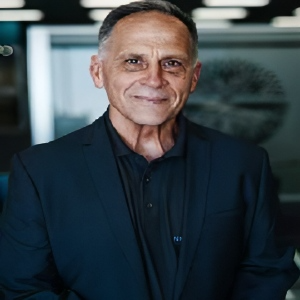
Ken Ware
NeuroPhysics Therapy Institute and Research Centre, Australia
Yong Xiao Wang
Albany Medical College, United States
Joe Sam Robinson
Mercer University, United States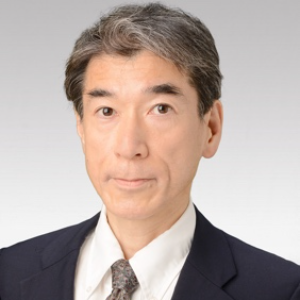
Toru Kondo
Hokkaido University, Japan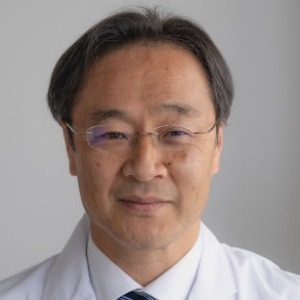
Isao Okunishi
Kinjirushi Co., Ltd, Japan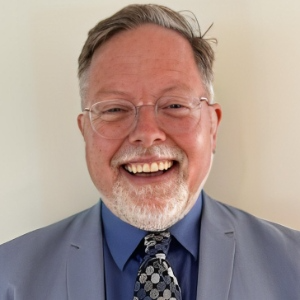
Thomas J Webster
Brown University, United States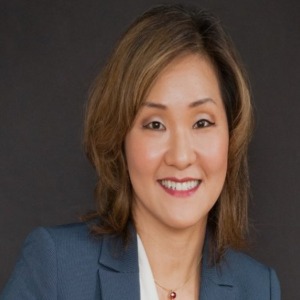
Younok Dumortier Shin
OnusBio, United StatesSubmit your abstract Today


Title : Spring break: A true story of hope and determination
Steven Benvenisti, Davis, Saperstein Salomon, PC, United States
Title : The role of compromised cerebrospinal fluid circulation in sleep apnea
Joe Sam Robinson, Mercer University, United States
Title : ADNP regulates cortical development: Mechanism of ADNP syndrome/autism
Kazuhito Toyooka, Drexel University College of Medicine, United States
Title : Nervous system effects in chemicals with immediately dangerous to life or health values
Sudha P Pandalai, National Institute for Occupational Safety and Health, United States
Title : Clinical outcomes of AI-augmented cognitive rehabilitation in dementia and mild cognitive impairment
Esra Al, NewDays, United States
Title : Atypical presentation of Juvenile myoclonic epilepsy in a 16-year-old female: A case report
George Diaz, Memorial Healthcare Systems, United States