
13th Edition of International Conference on Neurology and Brain Disorders
October 19-21, 2026

Geriatric psychiatry (GPsy)
Geriatric psychiatry, also known as geropsychiatry or geriatric mental health, is a specialty branch of psychiatry that focuses on the study, treatment, and prevention of mental health issues affecting older adults. Mental health concerns can manifest themselves in different ways in people over the age of 65—in the form of age-related cognitive decline and physical changes, in substance use, or in the development of age-related mental illnesses. Geriatric psychiatrists are uniquely qualified to address the mental health care needs of older adults. They take into consideration the physical, psychosocial, and age-specific effects of dementia and other neurodegenerative diseases as well as provide psychological assessments and diagnosis. Additionally, geriatric psychiatrists are experts at evaluating the various needs and care options that may be necessary to meet the various mental health needs of elderly adults. Treatment for older adults typically involves a multi-pronged approach to address medical, psychological, and social needs. Geriatric psychiatrists are well-trained to deliver comprehensive mental health services and treatment plans, such as psychotherapy, medications, and a variety of other treatments, such as physical therapies and occupational therapies. These proposed treatments are developed to meet the particular needs of the elderly patient. Another important role of geriatric psychiatrists is to help seniors maintain their independence and overall health by identifying the signs of mental health problems and the best approaches for ensuring the best quality of life. This may require consultation with primary care providers, social workers, and other professionals in order to assess the needs of the patient. Geriatric psychiatrists should be a critical part of any healthcare team that works to provide holistic and comprehensive treatment for older adults. They provide specialized expertise in understanding the psychological and physical problems that can arise with age, as well as develop effective treatment plans that take into consideration the complexities of this population.
Ken Ware
NeuroPhysics Therapy Institute and Research Centre, Australia
Yong Xiao Wang
Albany Medical College, United States
Joe Sam Robinson
Mercer University, United States
Toru Kondo
Hokkaido University, Japan
Isao Okunishi
Kinjirushi Co., Ltd, Japan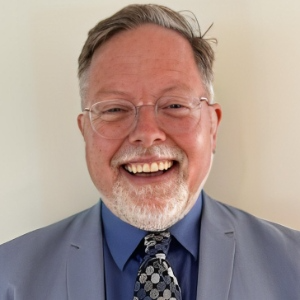
Thomas J Webster
Brown University, United States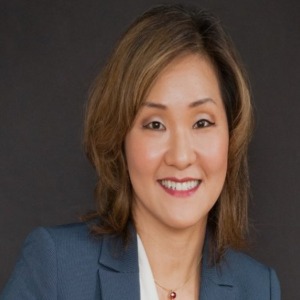
Younok Dumortier Shin
OnusBio, United StatesSubmit your abstract Today


Title : Spring break: A true story of hope and determination
Steven Benvenisti, Davis, Saperstein Salomon, PC, United States
Title : The role of compromised cerebrospinal fluid circulation in sleep apnea
Joe Sam Robinson, Mercer University, United States
Title : ADNP regulates cortical development: Mechanism of ADNP syndrome/autism
Kazuhito Toyooka, Drexel University College of Medicine, United States
Title : Nervous system effects in chemicals with immediately dangerous to life or health values
Sudha P Pandalai, National Institute for Occupational Safety and Health, United States
Title : Clinical outcomes of AI-augmented cognitive rehabilitation in dementia and mild cognitive impairment
Esra Al, NewDays, United States
Title : Atypical presentation of Juvenile myoclonic epilepsy in a 16-year-old female: A case report
George Diaz, Memorial Healthcare Systems, United States