13th Edition of International Conference on Neurology and Brain Disorders
October 19-21, 2026

Geriatric Neurology
Geriatric neurology is a specialized field of neurology that focuses on the care and treatment of elderly neurological patients. This field of medicine involves the evaluation and management of neurological disorders that commonly occur in the elderly. Many of these disorders are age-related, such as Alzheimer's disease, but may also include stroke, Parkinson's disease, multiple sclerosis, and other neurodegenerative conditions. Geriatric neurologists take a comprehensive, holistic approach to patient care, helping to coordinate care with other physicians and specialists, such as geriatricians and pharmacists. They provide physical, cognitive, and functional assessments, employing a range of techniques such as imaging, laboratory studies, genetic tests, and cognitive testing to make accurate diagnoses. This field of neurology is important for elderly patients because it allows them to have a specialist on their medical team that has a unique understanding of elderly neurologic conditions. By seeing geriatric neurologists, elderly patients can receive the most current treatment available, as well as have access to state-of-the-art technology. Geriatric neurologists may also help elderly patients to navigate the complexities of the healthcare system and ensure they are receiving the necessary care and medications to maintain or improve their quality of life. Geriatric neurologists also work with community-based organizations and health care professionals to strategize ways to better serve the elderly. These strategies may include the development of preventative care programs to identify neurological and psychiatric disorders in their early stages, as well as the use of technology to better coordinate care and ensure that elderly patients have access to the best treatment available. Overall, geriatric neurology is an invaluable field of medicine that helps elderly patients to navigate the complexity of their neurological conditions. Geriatric neurologists play a critical role in helping to ensure that elderly patients receive quality care and maintain their quality of life.

Ken Ware
NeuroPhysics Therapy Institute and Research Centre, Australia
Yong Xiao Wang
Albany Medical College, United States
Joe Sam Robinson
Mercer University, United States
Toru Kondo
Hokkaido University, Japan
Isao Okunishi
Kinjirushi Co., Ltd, Japan
Thomas J Webster
Brown University, United States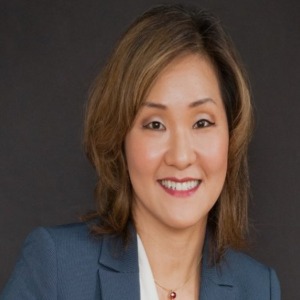
Younok Dumortier Shin
OnusBio, United StatesSubmit your abstract Today


Title : Spring break: A true story of hope and determination
Steven Benvenisti, Davis, Saperstein Salomon, PC, United States
Title : The role of compromised cerebrospinal fluid circulation in sleep apnea
Joe Sam Robinson, Mercer University, United States
Title : ADNP regulates cortical development: Mechanism of ADNP syndrome/autism
Kazuhito Toyooka, Drexel University College of Medicine, United States
Title : Nervous system effects in chemicals with immediately dangerous to life or health values
Sudha P Pandalai, National Institute for Occupational Safety and Health, United States
Title : Clinical outcomes of AI-augmented cognitive rehabilitation in dementia and mild cognitive impairment
Esra Al, NewDays, United States
Title : Atypical presentation of Juvenile myoclonic epilepsy in a 16-year-old female: A case report
George Diaz, Memorial Healthcare Systems, United States