13th Edition of International Conference on Neurology and Brain Disorders
October 19-21, 2026

Drug Addiction
Drug addiction is a complex, chronic relapsing illness characterized by compulsive drug use. It is a serious public health issue that affects the individual, family, and communities at large. It is one of the most difficult forms of addiction to overcome and is associated with a wide variety of short-term and long-term physical and mental health consequences. Drug addiction is a form of substance-use disorder which occurs when a person develops an intense craving and compulsion to take drugs. It is a progressive illness which makes it difficult to stop using drugs, even when the individual knows the negative consequences of their drug use. Drug addiction also changes the structure and functioning of the brain affecting psychology and behaviour. It is a complex chronic illness, with social, genetic, and environmental determinants. Once an individual becomes addicted to drugs, their body starts to develop a tolerance to the drug, meaning they need higher amounts over time to produce the same effect. The individual may also experience severe physical and psychological withdrawal symptoms, when the drug is stopped abruptly, making it hard to maintain abstinence from drugs. Treatment for drug addiction is an essential part of recovery. Medications such as methadone or buprenorphine, as well as comprehensive behavioral therapy, have been shown to be effective in treating drug addiction. Treatment should focus on the individual, not just their drug abuse. Treatment should be tailored to the individual needs, addressing the motivations for drug use and addressing the psychological and social issues associated with substance use. Life-long recovery from drug addiction is possible, but is dependent on the individual's commitment to making long-term changes to their lifestyle and behavior.

Ken Ware
NeuroPhysics Therapy Institute and Research Centre, Australia
Yong Xiao Wang
Albany Medical College, United States
Joe Sam Robinson
Mercer University, United States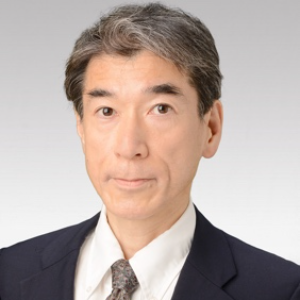
Toru Kondo
Hokkaido University, Japan
Isao Okunishi
Kinjirushi Co., Ltd, Japan
Thomas J Webster
Brown University, United States
Younok Dumortier Shin
OnusBio, United StatesSubmit your abstract Today


Title : Spring break: A true story of hope and determination
Steven Benvenisti, Davis, Saperstein Salomon, PC, United States
Title : The role of compromised cerebrospinal fluid circulation in sleep apnea
Joe Sam Robinson, Mercer University, United States
Title : ADNP regulates cortical development: Mechanism of ADNP syndrome/autism
Kazuhito Toyooka, Drexel University College of Medicine, United States
Title : Nervous system effects in chemicals with immediately dangerous to life or health values
Sudha P Pandalai, National Institute for Occupational Safety and Health, United States
Title : Clinical outcomes of AI-augmented cognitive rehabilitation in dementia and mild cognitive impairment
Esra Al, NewDays, United States
Title : Atypical presentation of Juvenile myoclonic epilepsy in a 16-year-old female: A case report
George Diaz, Memorial Healthcare Systems, United States