13th Edition of International Conference on Neurology and Brain Disorders
October 19-21, 2026

Dementia Disorders
Dementia is an umbrella term for a wide range of neurological conditions that cause a decline in cognitive functioning and memory. It affects an estimated 50 million people worldwide, and is the leading cause of disability among those over the age of 65. Most cases of dementia are caused by disorders such as Alzheimer’s disease, Lewy Body Dementia, Frontotemporal Dementia, and Vascular Dementia. Symptoms of dementia can vary greatly, but generally include difficulties with memory, language, problem-solving, decision-making, and abstract thinking. Over time, these problems become more pronounced, and patients may become confused, unable to recognize family members, and require assistance with everyday activities. Alzheimer’s disease is the most common cause of dementia in the elderly, accounting for 60-80% of all cases. It is caused by an abnormal buildup of proteins in the brain, called plaques and tangles, which damage neurons and disrupt communication throughout the brain. Early symptoms include short-term memory loss and difficulty concentrating. As the disease progresses, cognitive decline becomes more pronounced, and patients may have trouble recognizing familiar faces, difficulty speaking or understanding language, and changes in mood or behavior. Lewy Body Dementia is the second most common type of dementia, accounting for 13-40% of all cases. It is caused by the accumulation of Lewy bodies in the brain, which damage neurons and disrupt information processing. Symptoms often mimic those of Alzheimer’s, but additionally cause hallucinations, fluctuations in alertness, and changes in motor coordination and balance. Frontotemporal Dementia accounts for 5-10% of dementia cases, and involves the degeneration of cells in the frontal and/or temporal lobes of the brain. Symptoms can vary, but generally include changes in behavior, language, and decision-making, as well as an increased risk of falls. Finally, Vascular Dementia is caused by a disruption in the flow of blood throughout the brain, and accounts for 15-20% of all dementia cases. Symptoms usually arise following a stroke, and include cognitive problems such as memory loss, difficulty concentrating, and impaired problem-solving skills. The exact cause of dementia is unknown, and there is currently no cure. However, treatments such as medications, therapy, and lifestyle changes can help slow the progression of symptoms. For patients with a dementia diagnosis, it is important to seek medical help, develop a care plan, and make lifestyle adjustments as soon as possible.

Ken Ware
NeuroPhysics Therapy Institute and Research Centre, Australia
Yong Xiao Wang
Albany Medical College, United States
Joe Sam Robinson
Mercer University, United States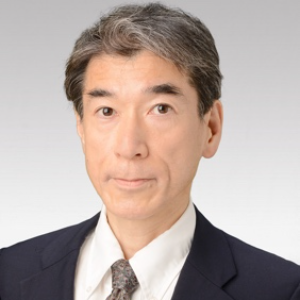
Toru Kondo
Hokkaido University, Japan
Isao Okunishi
Kinjirushi Co., Ltd, Japan
Thomas J Webster
Brown University, United States
Younok Dumortier Shin
OnusBio, United StatesSubmit your abstract Today


Title : Spring break: A true story of hope and determination
Steven Benvenisti, Davis, Saperstein Salomon, PC, United States
Title : The role of compromised cerebrospinal fluid circulation in sleep apnea
Joe Sam Robinson, Mercer University, United States
Title : ADNP regulates cortical development: Mechanism of ADNP syndrome/autism
Kazuhito Toyooka, Drexel University College of Medicine, United States
Title : Nervous system effects in chemicals with immediately dangerous to life or health values
Sudha P Pandalai, National Institute for Occupational Safety and Health, United States
Title : Clinical outcomes of AI-augmented cognitive rehabilitation in dementia and mild cognitive impairment
Esra Al, NewDays, United States
Title : Atypical presentation of Juvenile myoclonic epilepsy in a 16-year-old female: A case report
George Diaz, Memorial Healthcare Systems, United States