13th Edition of International Conference on Neurology and Brain Disorders
October 19-21, 2026

Child Neurology
Child neurology is a branch of medicine that specialises in diagnosing and treating conditions that affect the nervous system of children. It encompasses a wide range of conditions including developmental delays, intellectual disabilities, infections of the brain and spine, seizure disorders, neuromuscular disorders, degenerative diseases, sleep disorders, headaches, and congenital abnormalities. A child neurologist is a specially trained doctor who is an expert in diagnosing and treating such conditions. When a child experiences neurological symptoms, child neurology may be indicated. A child neurologist will focus on the child's history and symptoms, and may perform a physical examination and a variety of tests such as lab tests, imaging studies, EEGs, eye exams, and lumbar punctures. Once the diagnosis has been confirmed, the child neurologist will help create a treatment plan to best address the child's individual needs. This may include medications, physical therapy, occupational therapy, and special diets. Child neurology also covers the research and prevention of neurological disorders. From genetic research to nanotechnology, child neurologists are at the forefront of medical research to discover new treatments and prevent neurological disorders from occurring. They are highly trained to recognize symptoms early on, so that preventative and therapeutic measures can be taken early to improve the outcome of the condition. In addition to treatment and research of neurological conditions, child neurologists are important caregivers, as they are often the main source of support for families dealing with these difficult conditions. They work closely with other medical professionals, such as pediatricians, psychiatrists, and physical and occupational therapists, to provide multidisciplinary care for children affected by neurological illness.
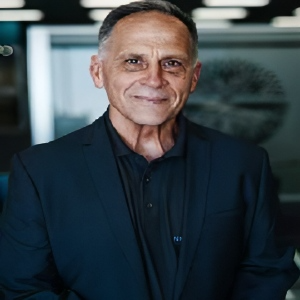
Ken Ware
NeuroPhysics Therapy Institute and Research Centre, Australia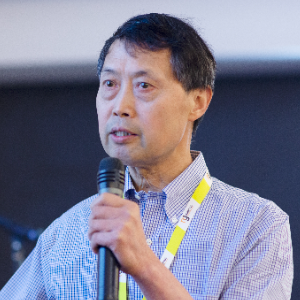
Yong Xiao Wang
Albany Medical College, United States
Joe Sam Robinson
Mercer University, United States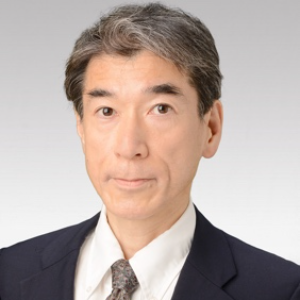
Toru Kondo
Hokkaido University, Japan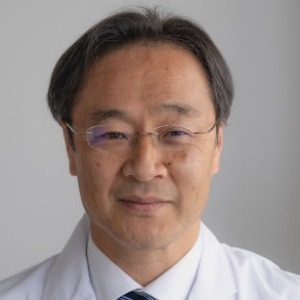
Isao Okunishi
Kinjirushi Co., Ltd, Japan
Thomas J Webster
Brown University, United States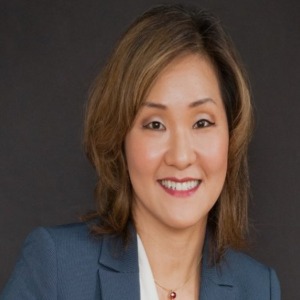
Younok Dumortier Shin
OnusBio, United StatesSubmit your abstract Today


Title : Spring break: A true story of hope and determination
Steven Benvenisti, Davis, Saperstein Salomon, PC, United States
Title : The role of compromised cerebrospinal fluid circulation in sleep apnea
Joe Sam Robinson, Mercer University, United States
Title : ADNP regulates cortical development: Mechanism of ADNP syndrome/autism
Kazuhito Toyooka, Drexel University College of Medicine, United States
Title : Clinical outcomes of AI-augmented cognitive rehabilitation in dementia and mild cognitive impairment
Esra Al, NewDays, United States
Title : Atypical presentation of Juvenile myoclonic epilepsy in a 16-year-old female: A case report
George Diaz, Memorial Healthcare Systems, United States
Title : Nanoparticles passing the blood brain barrier to treat cancer, infection, and more
Thomas J Webster, Brown University, United States