13th Edition of International Conference on Neurology and Brain Disorders
October 19-21, 2026

Biology of Aging
The biological aspects of aging involve the molecular, physiological, and biochemical breakdown of cells and processes that occur over a lifetime. As individuals age, molecular damage accumulates within cells and tissues, leading to irreversible changes and ultimately death. Various biological mechanisms have been proposed to explain these changes, and understanding them is fundamental to combating the effects of aging. Molecular damage is associated with aging, and is associated with the accumulation of free radicals and other metabolic by-products. Free radicals are highly reactive molecules formed in all aerobic organisms as a result of normal metabolic processes. These molecules react with other molecules, causing damage to DNA, proteins, and membrane lipids. This damage, cumulatively, is thought to contribute to the aging process. At a physiological level, aging is associated with increased vulnerability to disease, reduced cognitive functioning, and impaired immune system function. These changes are likely due to the progressive decline of the body’s cells and organs. Organ-specific changes, such as the replacement of muscle cells with fatty tissue, changes in cardiac output, and an increase in inflammation, all contribute to the onset of aging-related diseases. At a biochemical level, aging is associated with an imbalance of hormones and other growth factors, which inhibit normal growth and development, as well as contribute to the decline of bodily systems. In particular, hormones such as insulin, human growth hormone, and testosterone play critical roles in the regulation of metabolic processes and effect cell growth and survival. Finally, the genetic basis of aging has been heavily studied. Genes that regulate the production of important cellular molecules, such as telomeres, have been demonstrated to play a critical role in the aging process. Telomeres are small sections of DNA that act as a ‘cap’ at the end of chromosomes, helping to protect cells’ genomes from damage. As individuals age, telomeres shorten, which leads to their chromosomes becoming unusable and cells eventually dying. In summary, understanding the biology of aging helps explain the physical and physiological changes that occur with increasing age. A better understanding of the changes and processes associated with aging provides the necessary foundation for successful aging interventions and therapies, ultimately allowing us to extend our lives.

Ken Ware
NeuroPhysics Therapy Institute and Research Centre, Australia
Yong Xiao Wang
Albany Medical College, United States
Joe Sam Robinson
Mercer University, United States
Toru Kondo
Hokkaido University, Japan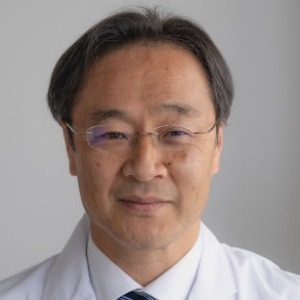
Isao Okunishi
Kinjirushi Co., Ltd, Japan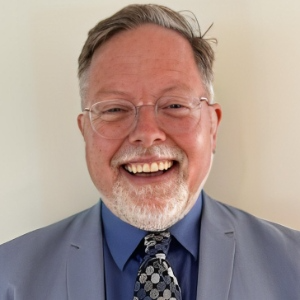
Thomas J Webster
Brown University, United States
Younok Dumortier Shin
OnusBio, United StatesSubmit your abstract Today


Title : Spring break: A true story of hope and determination
Steven Benvenisti, Davis, Saperstein Salomon, PC, United States
Title : The role of compromised cerebrospinal fluid circulation in sleep apnea
Joe Sam Robinson, Mercer University, United States
Title : ADNP regulates cortical development: Mechanism of ADNP syndrome/autism
Kazuhito Toyooka, Drexel University College of Medicine, United States
Title : Nervous system effects in chemicals with immediately dangerous to life or health values
Sudha P Pandalai, National Institute for Occupational Safety and Health, United States
Title : Clinical outcomes of AI-augmented cognitive rehabilitation in dementia and mild cognitive impairment
Esra Al, NewDays, United States
Title : Atypical presentation of Juvenile myoclonic epilepsy in a 16-year-old female: A case report
George Diaz, Memorial Healthcare Systems, United States