13th Edition of International Conference on Neurology and Brain Disorders
October 19-21, 2026

Autism and Neurodevelopmental Disorders
Autism and Neurodevelopmental Disorders constitute a diverse array of conditions characterized by challenges in communication, social interaction, and repetitive behaviors. Among these, Autism Spectrum Disorder (ASD) stands out as the most recognized, marked by difficulties in social engagement, communication hurdles, and repetitive conduct. ASD's spectrum nature means symptoms and severity levels vary widely among individuals. Beyond ASD, other neurodevelopmental disorders encompass Attention Deficit Hyperactivity Disorder (ADHD), intellectual disabilities, learning disorders, and motor conditions like cerebral palsy. While the precise causes remain elusive, genetics and environment are believed to exert significant influence. Recent genetic advancements have identified various genetic variations linked with autism and related disorders, underscoring the intricate interplay between genetics and environmental factors in their development. Timely diagnosis and intervention are paramount for enhancing outcomes. Behavioral therapies, educational strategies, and sometimes medication can ameliorate symptoms and enhance quality of life. However, access to these interventions varies widely based on socioeconomic status and geographic location. Ongoing research endeavors strive to deepen our comprehension of the underlying mechanisms of these disorders, alongside developing more efficacious treatments and support mechanisms. Promoting greater awareness and acceptance is equally pivotal in fostering inclusivity and support for individuals navigating these conditions.

Ken Ware
NeuroPhysics Therapy Institute and Research Centre, Australia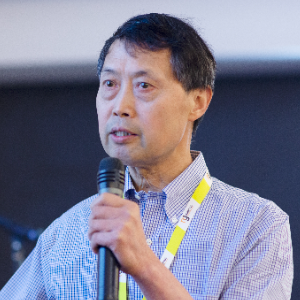
Yong Xiao Wang
Albany Medical College, United States
Joe Sam Robinson
Mercer University, United States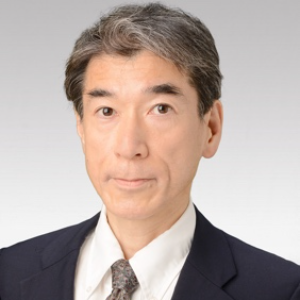
Toru Kondo
Hokkaido University, Japan
Isao Okunishi
Kinjirushi Co., Ltd, Japan
Thomas J Webster
Brown University, United States
Younok Dumortier Shin
OnusBio, United StatesSubmit your abstract Today


Title : Spring break: A true story of hope and determination
Steven Benvenisti, Davis, Saperstein Salomon, PC, United States
Title : The role of compromised cerebrospinal fluid circulation in sleep apnea
Joe Sam Robinson, Mercer University, United States
Title : ADNP regulates cortical development: Mechanism of ADNP syndrome/autism
Kazuhito Toyooka, Drexel University College of Medicine, United States
Title : Clinical outcomes of AI-augmented cognitive rehabilitation in dementia and mild cognitive impairment
Esra Al, NewDays, United States
Title : Atypical presentation of Juvenile myoclonic epilepsy in a 16-year-old female: A case report
George Diaz, Memorial Healthcare Systems, United States
Title : Nanoparticles passing the blood brain barrier to treat cancer, infection, and more
Thomas J Webster, Brown University, United States