
Title : Acute traumatic spinal cord injuries - Relevance of the model of service delivery and methods of management to outcomes?
Abstract:
Traumatic spinal cord injuries (TSCI) are life-changing events from their medical, physical, psychological, social, financial, vocational, environmental & matrimonial effects. Although the clinical symptoms and signs of the condition was documented in the Edwin Smith papyrus 5000 years ago since which times attempts many attempts have been made to treat the condition by attention given to the injured spine the majority of the patients died from major complications within a year from injury.
During the 2nd World War L. Guttmann, a well-trained and experienced Neurosurgeon, directed his attention to the impact of the impaired physiology caused by the neurological injury, the consequences of the impaired physiology on the functioning of the various systems of the body, the complications that caused death and the methods of their prevention. He also gave a great deal of attention to the non-medical effects of spinal cord and cauda equina damage. Guttmann was disappointed with the outcomes of Laminectomy. He developed instead a model of system care to patients that deals with the consequences of generalised physiological impairment, multi-system malfunction, multiple disabilities, wide range of potential complications, sensory impairment/loss as well as the non-medical effects of paralysis that impose challenges to patients, carers and clinicians. Within only four years from the development of such a service at Stoke Mandeville Hospital (SMH) Guttmann demonstrated that patients not only survived but the majority could lead healthy, dignified, productive and often competitive lives. Moreover some patients exhibited various degrees of motor improvement. This system of care has been described by El Masri (Guttmann’s and Frankel’s student) as active physiological management (APCM) of all aspects of the effects of spinal cord and cauda equina Injury (SCCEI).
In the mid nineteen sixties Frankel and his colleagues at studied the spontaneous neurological recovery (SNR) in 612 patients admitted within 15 days of injury and treated with APCM. He observed that 60% of patients with long sensory tract sparing and over 75% of patients with long tract sensory & poor motor sparing underwent significant motor recovery to move their legs and many could stand and walk. He published these predictable outcomes in a neuro functional classification in 1969 since which time these outcomes were confirmed by many other groups and until the early 1980s APCM has proved to be the traditional method of management of TSCCEI.
The better visualisation of the injury by CT & MRI, improvement of spinal instrumentation and safety of anaesthesia since the 1980s encouraged the promotion of spinal surgery based on the assumption that surgical decompression of the neural tissue within a “window of opportunity” of 8,12 or 24 hours of injury is likely to halt many of the detrimental 2ry cellular and cell membrane disturbances; vascular, chemical, metabolic, inflammatory and enzymatic changes caused by the injury and improve the neurological outcome. Equally surgical reduction and stabilisation became strongly advocated on the assumption that this would enable to safely mobilise, rehabilitate and discharge the patient within a short period of hospitalisation. Unfortunately the effects of the disruption of blood the brain barrier and the loss of auto-regulatory functions of the injured neural tissue caused by the injury seem to have been ignored while advocating these two methods of management.
To date (40 years since the change of practice in the management of the injured spine of patients with neurological damage) none of these assumptions have been justified by evidence of equality or superiority of outcomes compared with the outcomes of APCM.
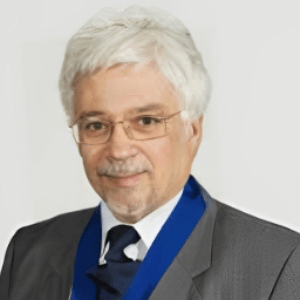
Professor El Masri will discuss in some depth the relevance of the model of service delivery to patients and the level of evidence of those assumptions that led to change of practice in the management of these patients.

